The “Inner to Ecological” Interactive EcoArt Installation



Project Summary
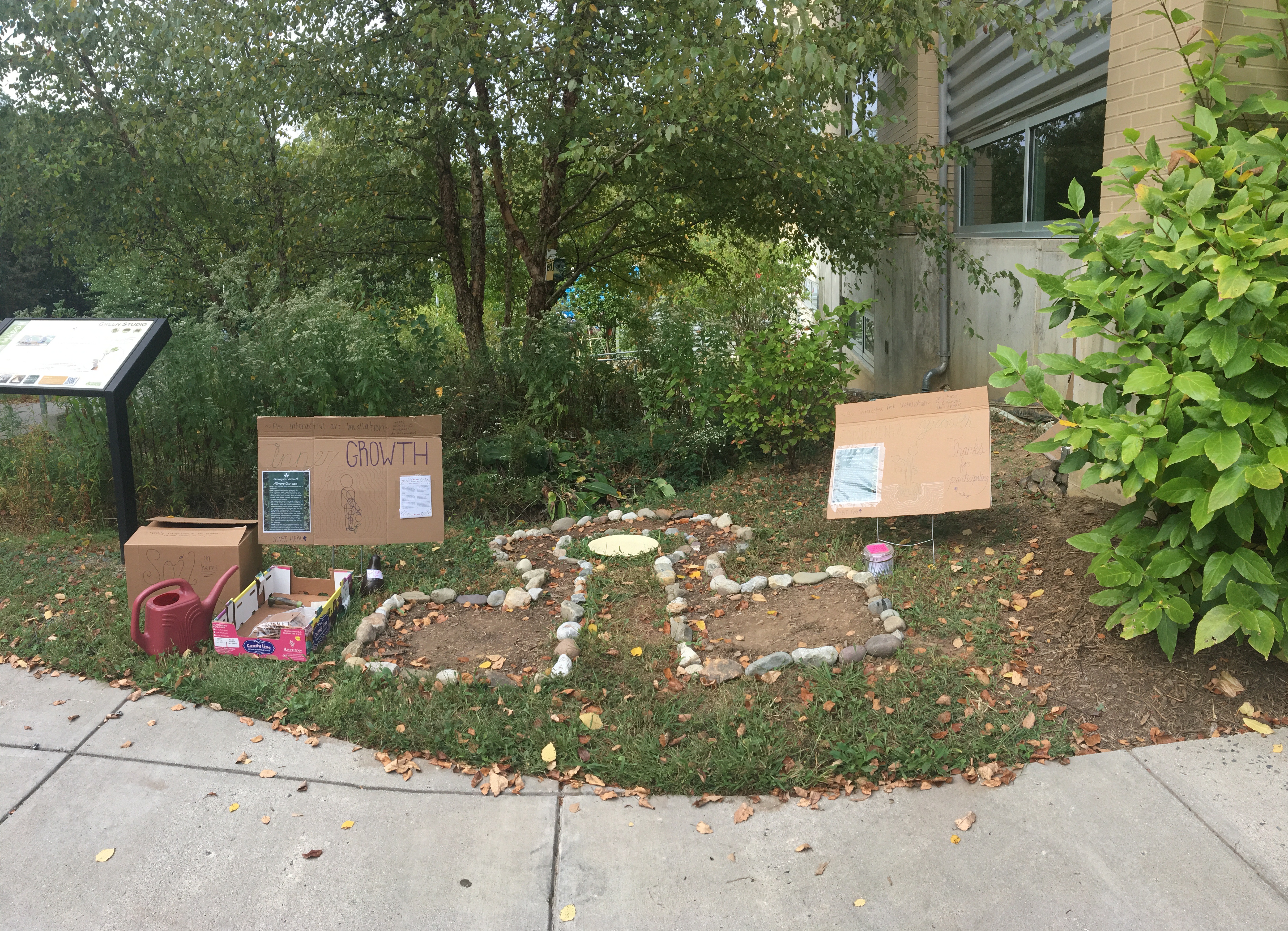
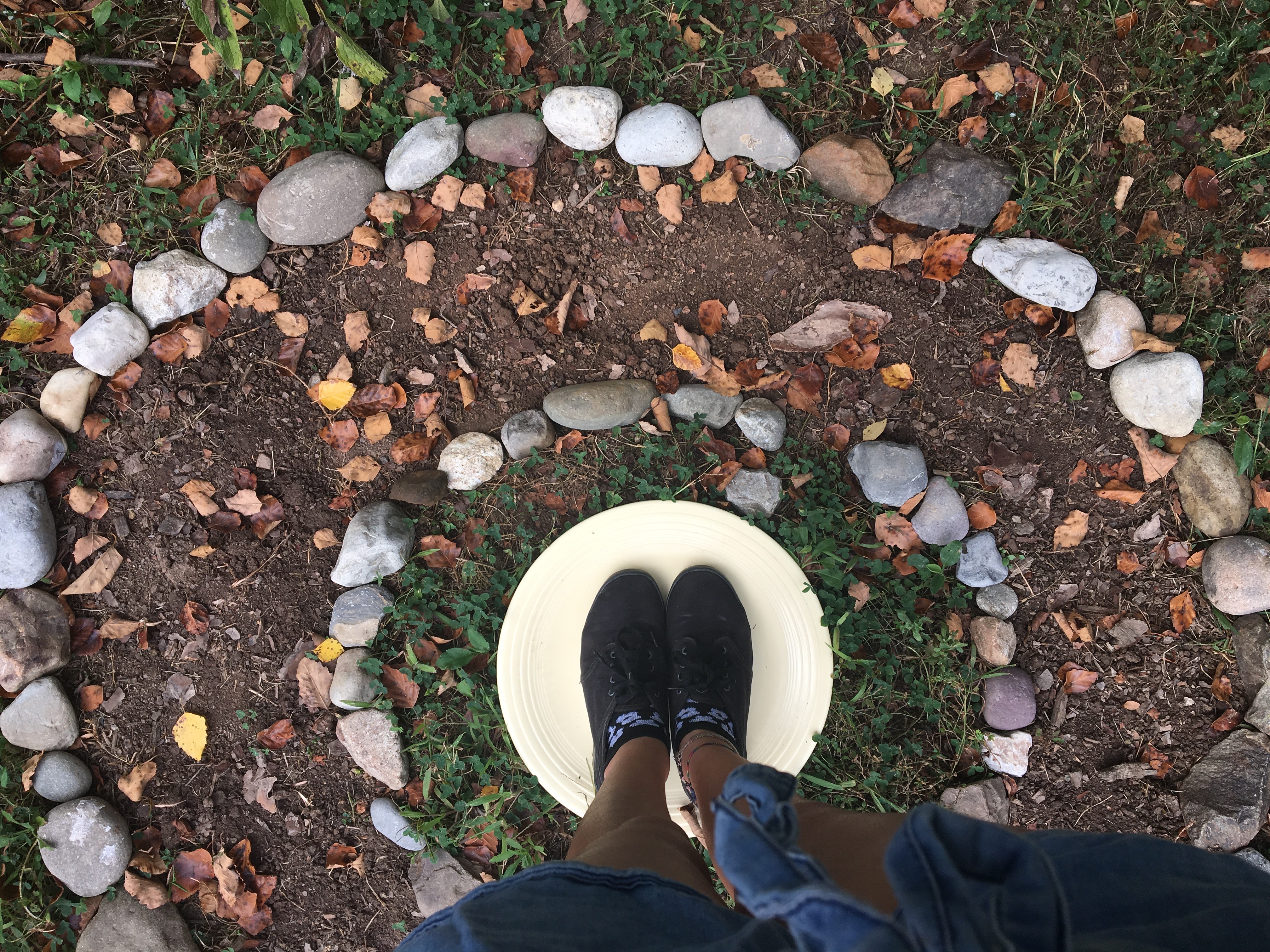
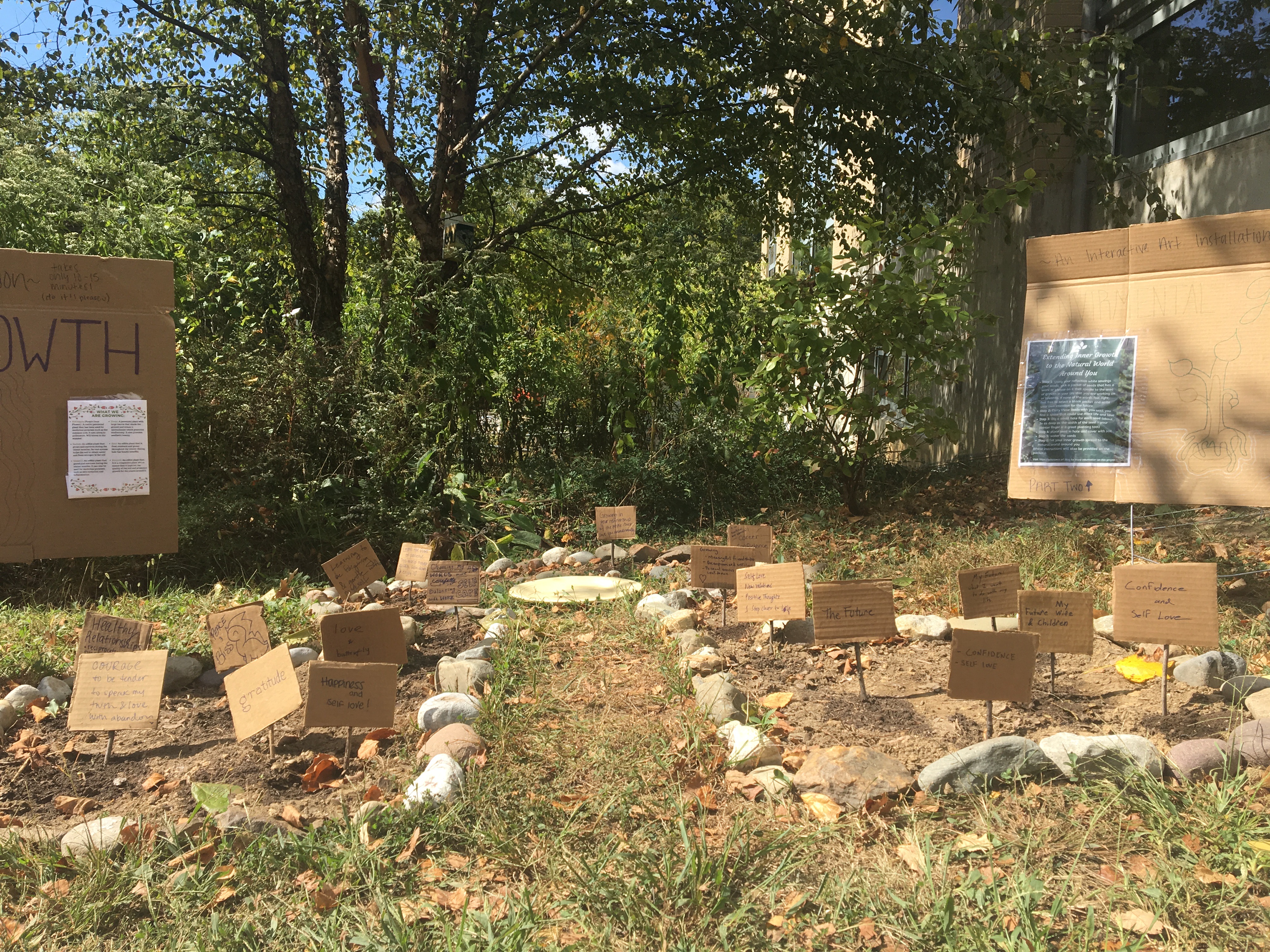
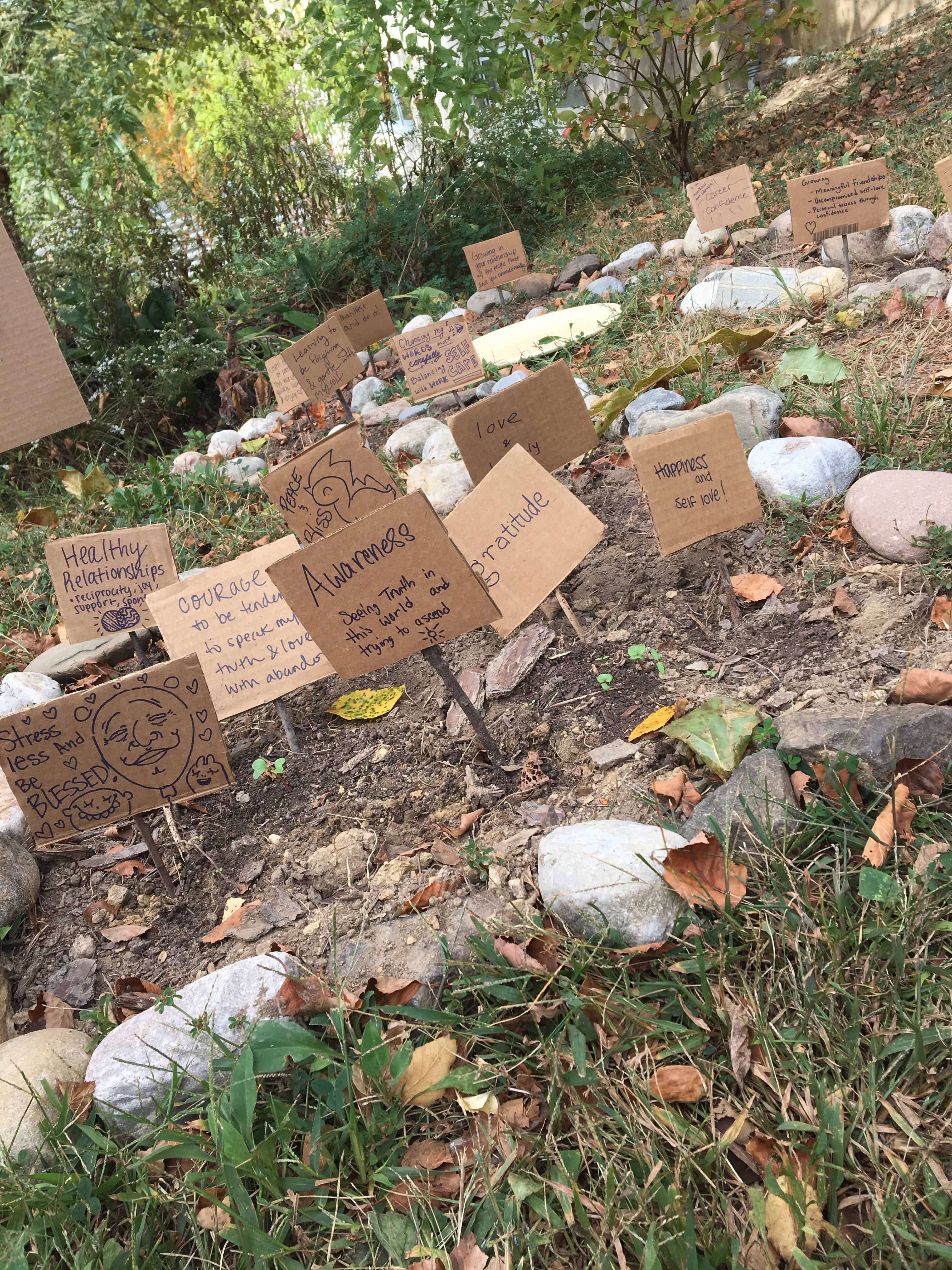
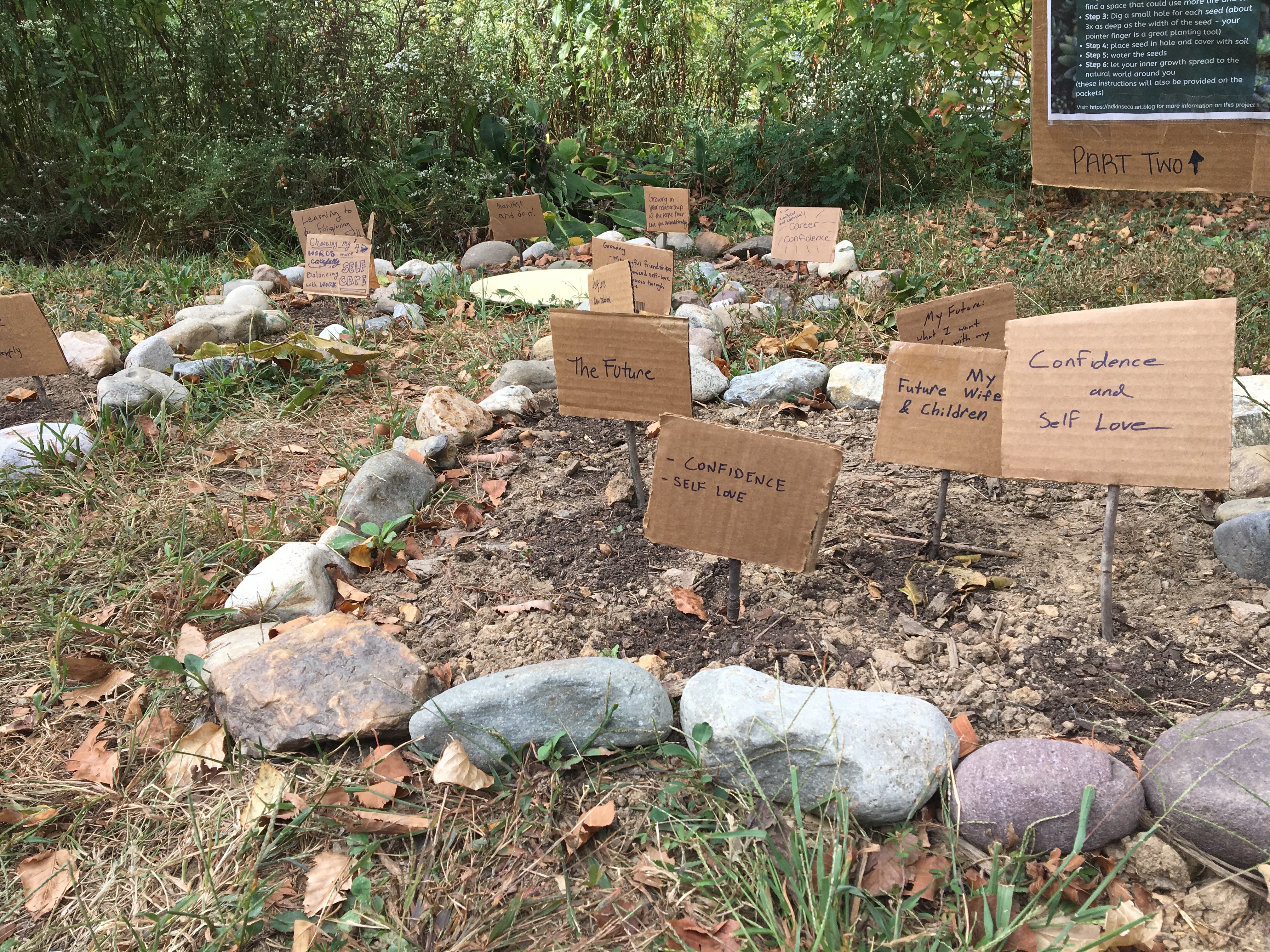
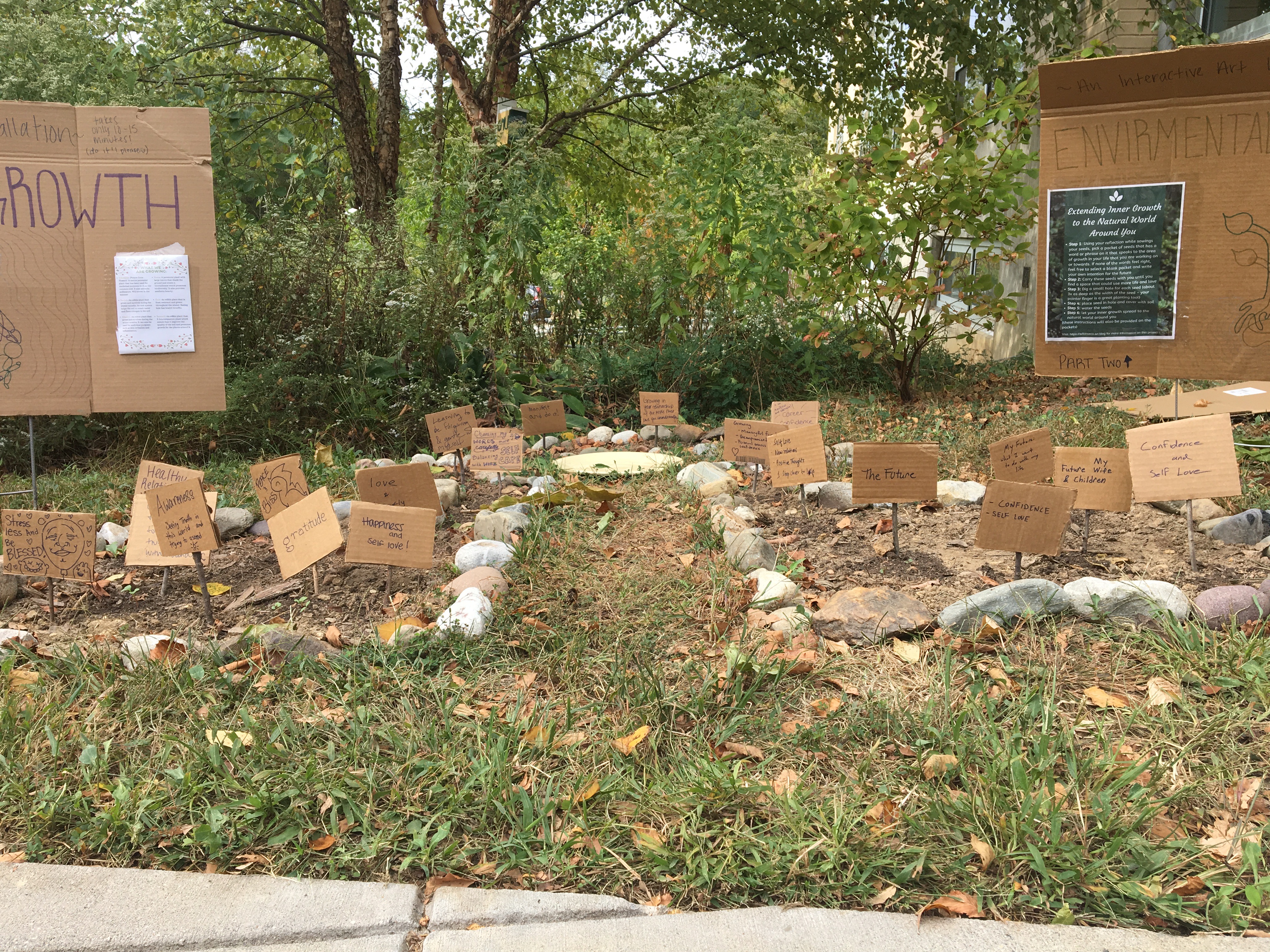
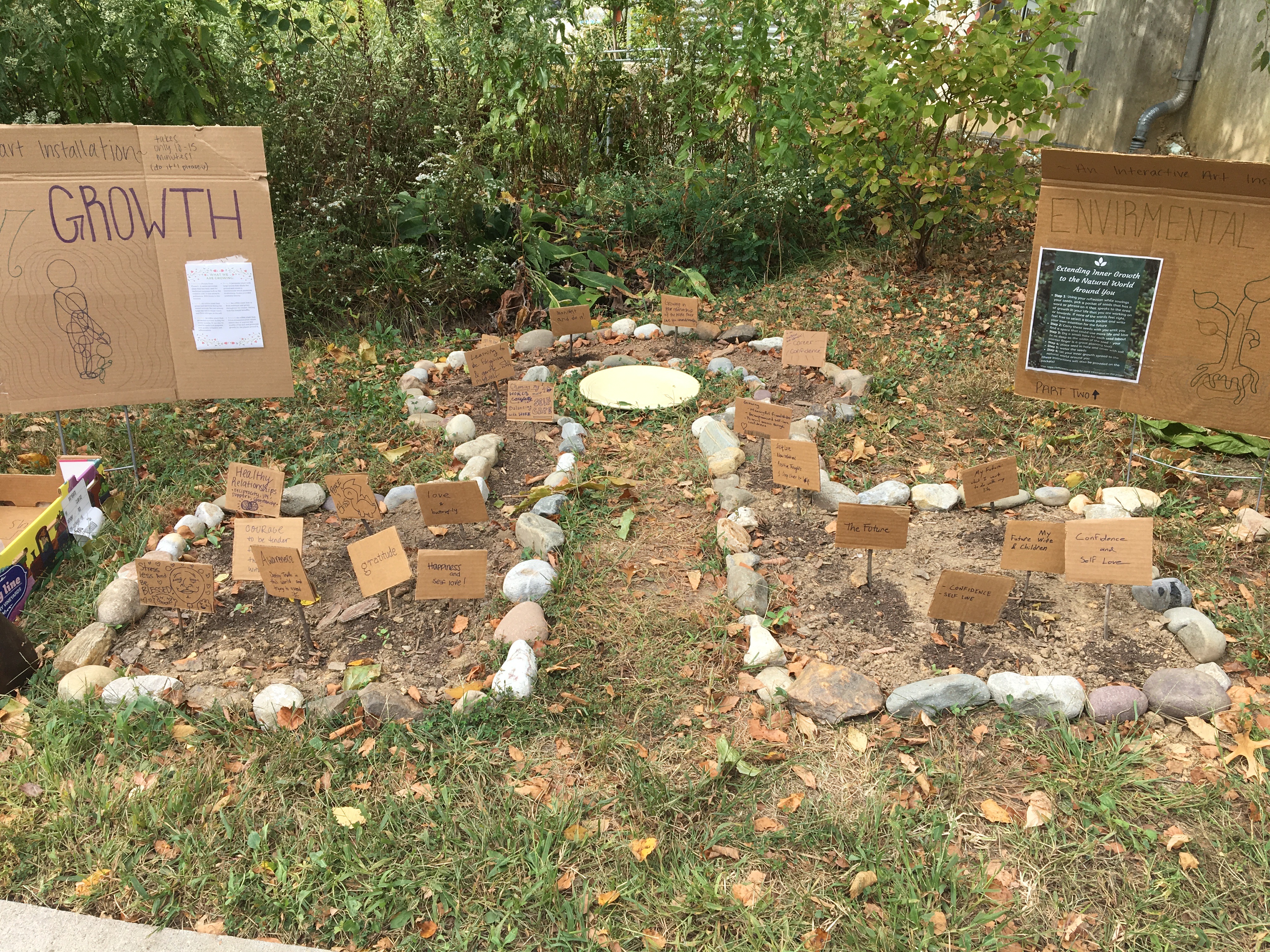
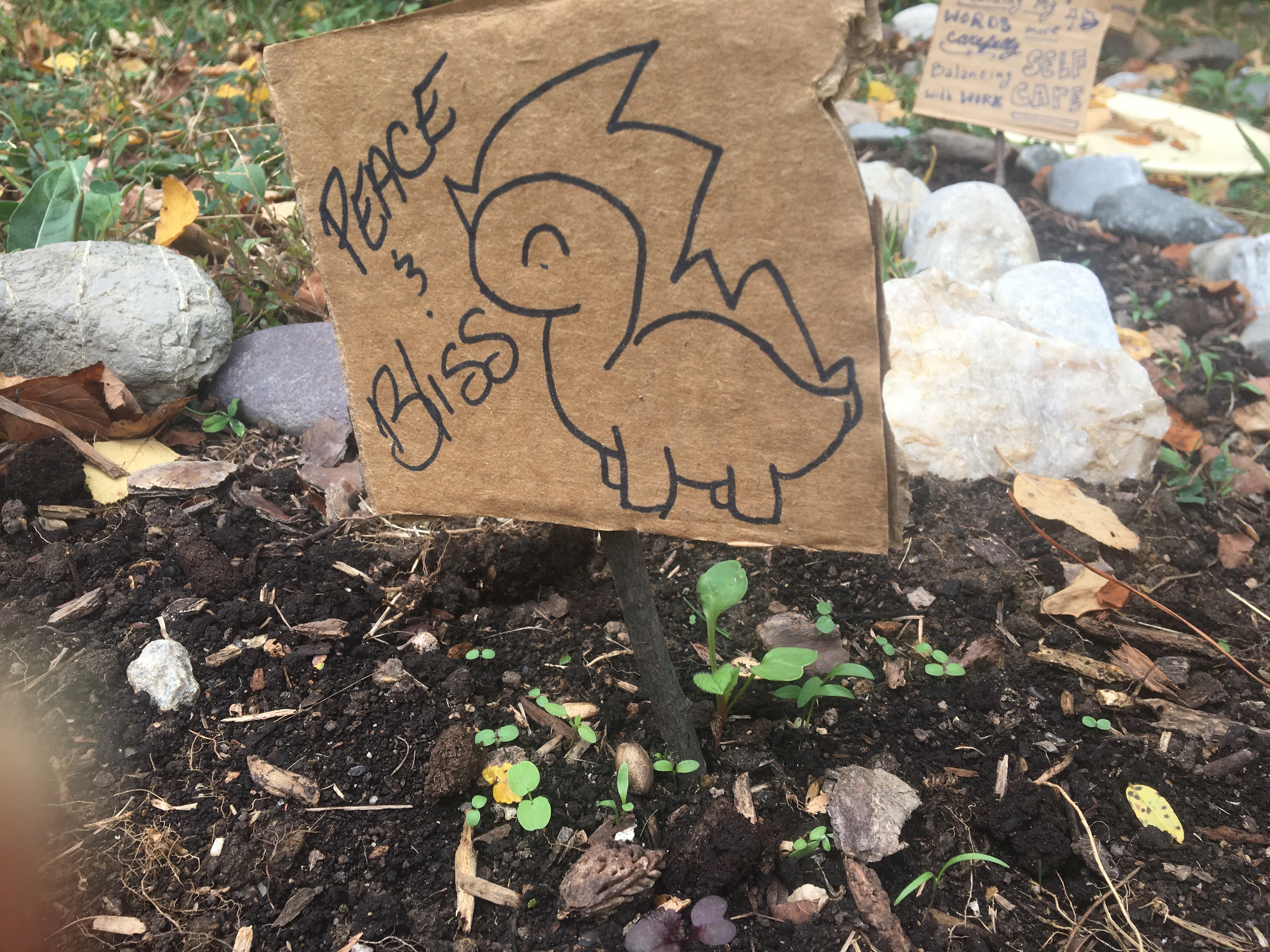
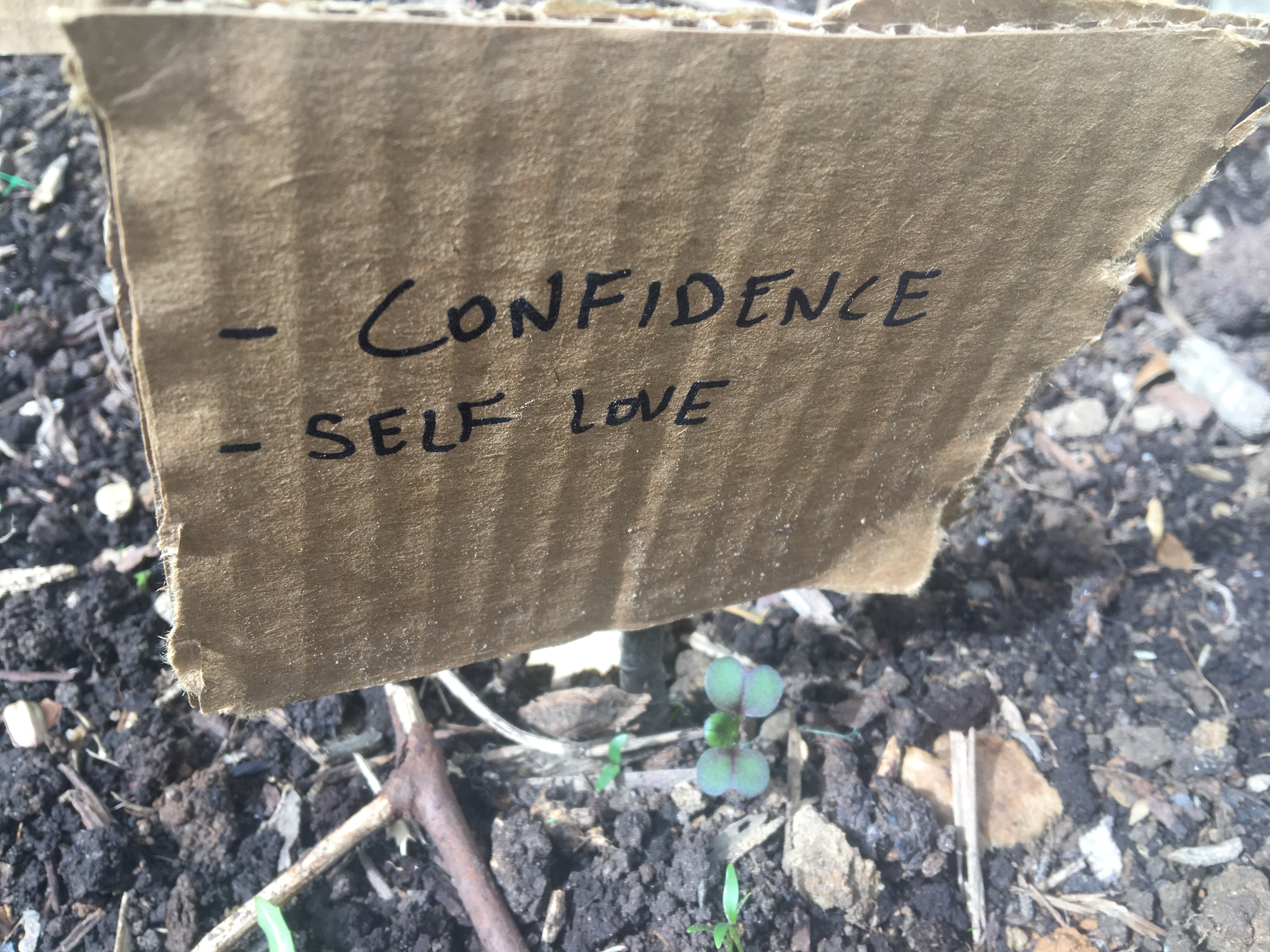
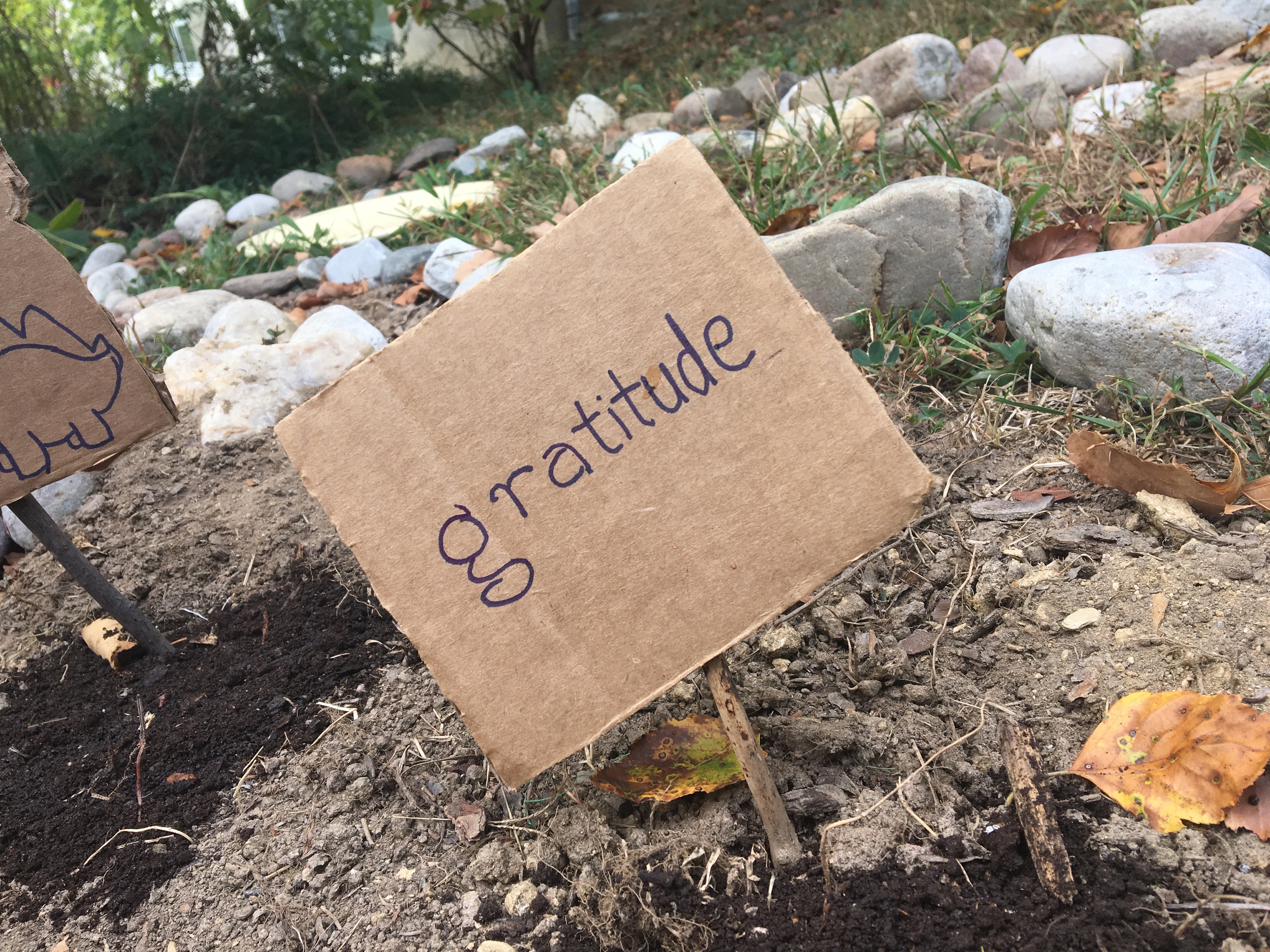
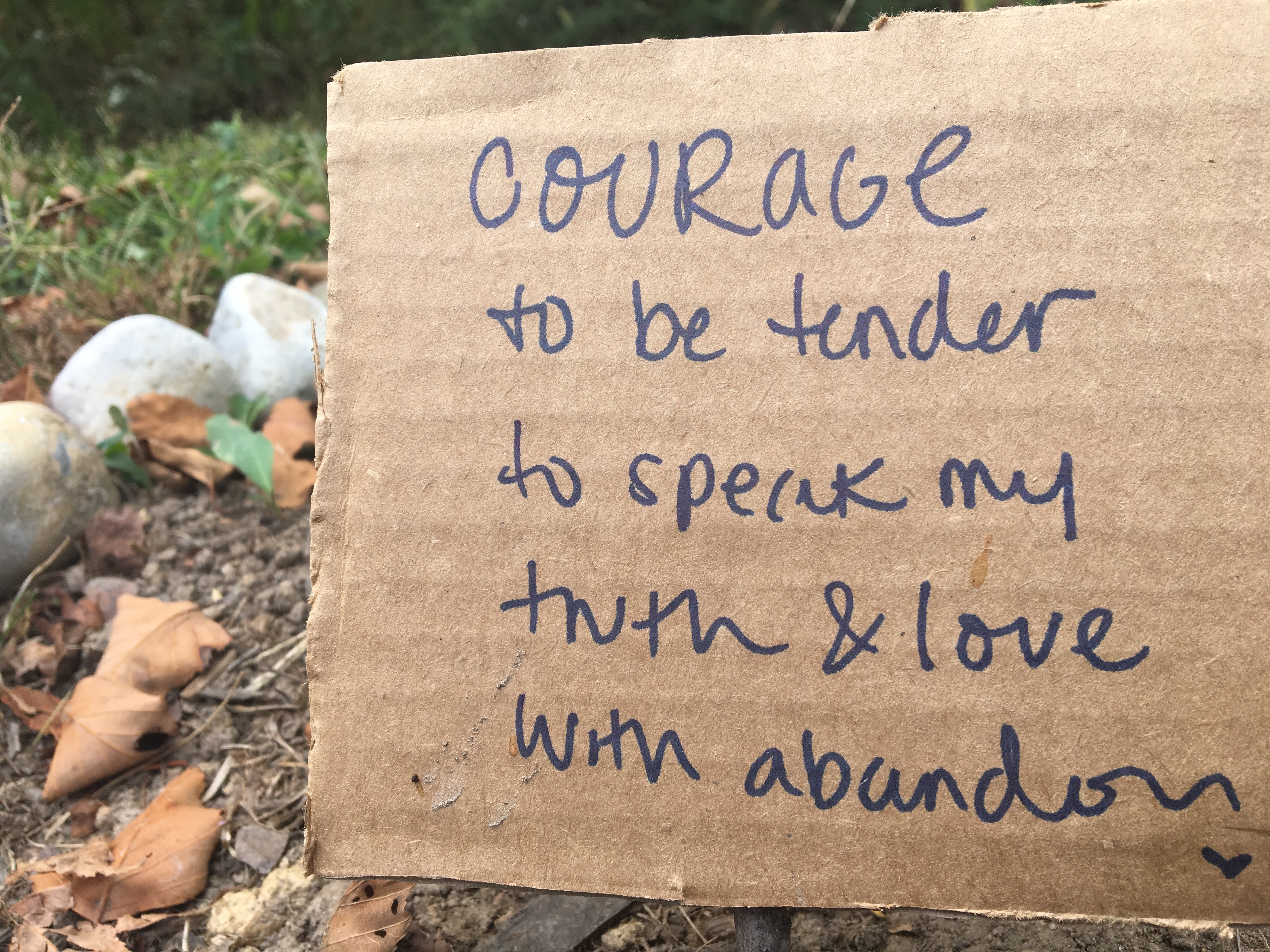
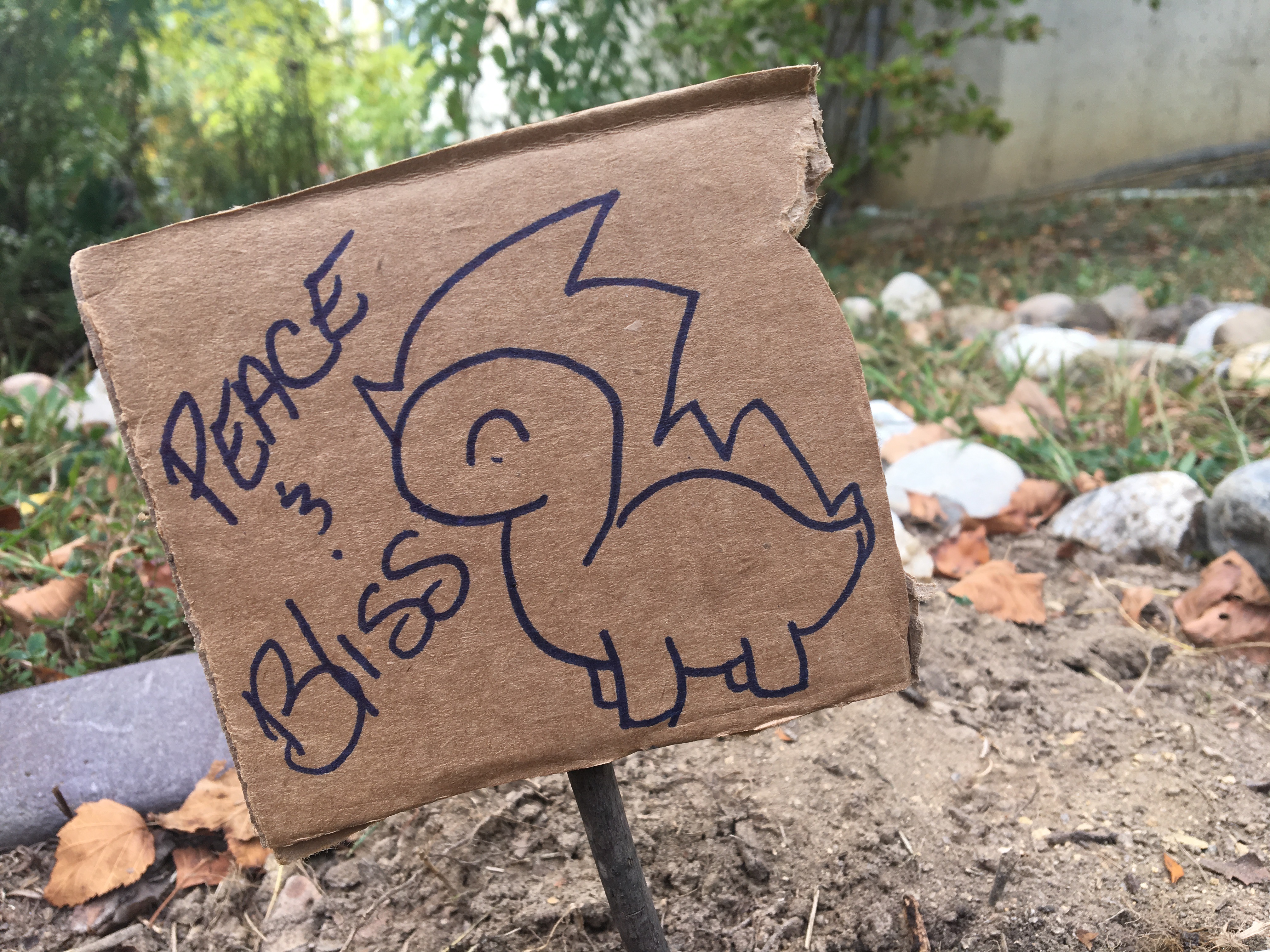
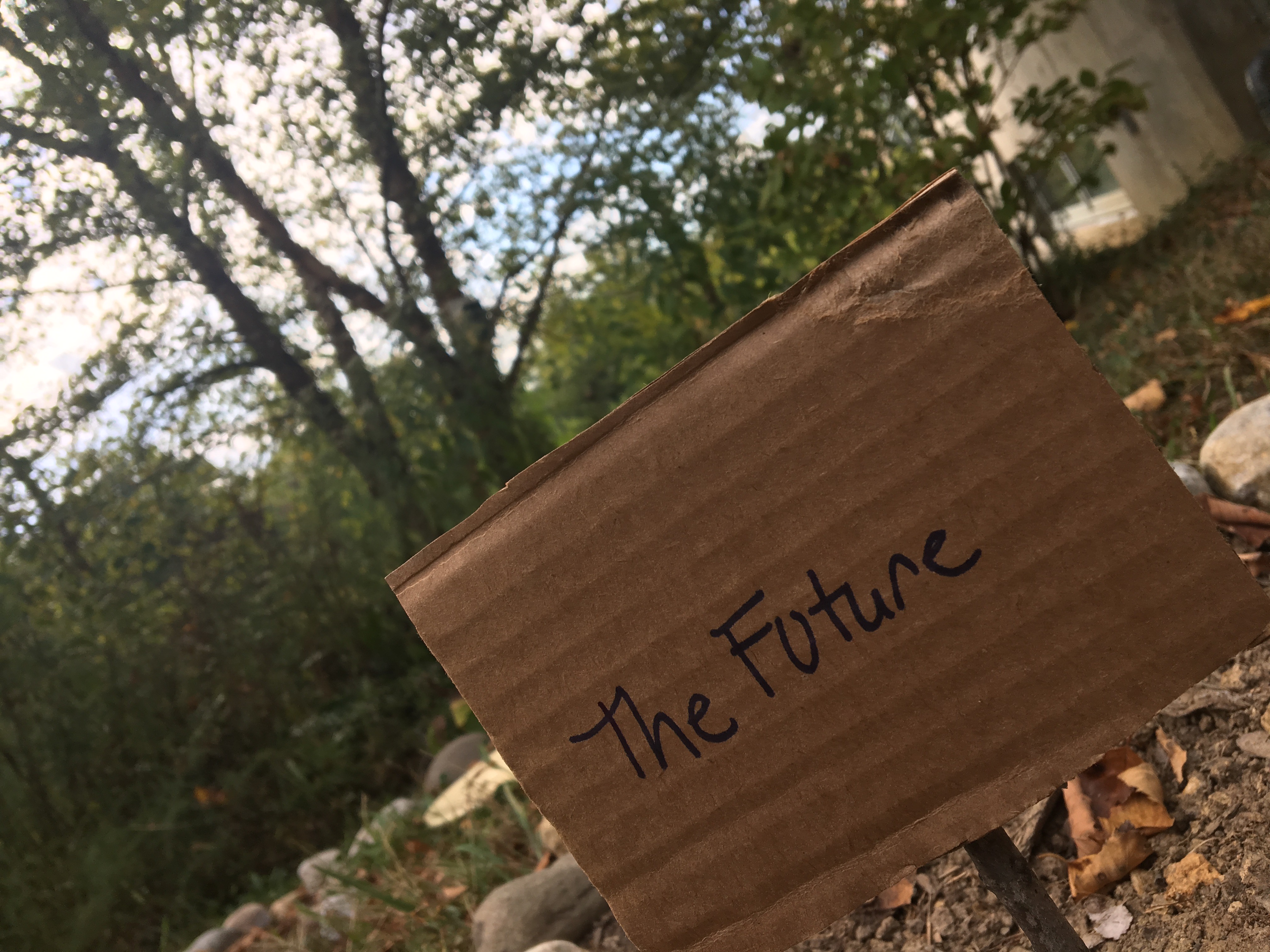
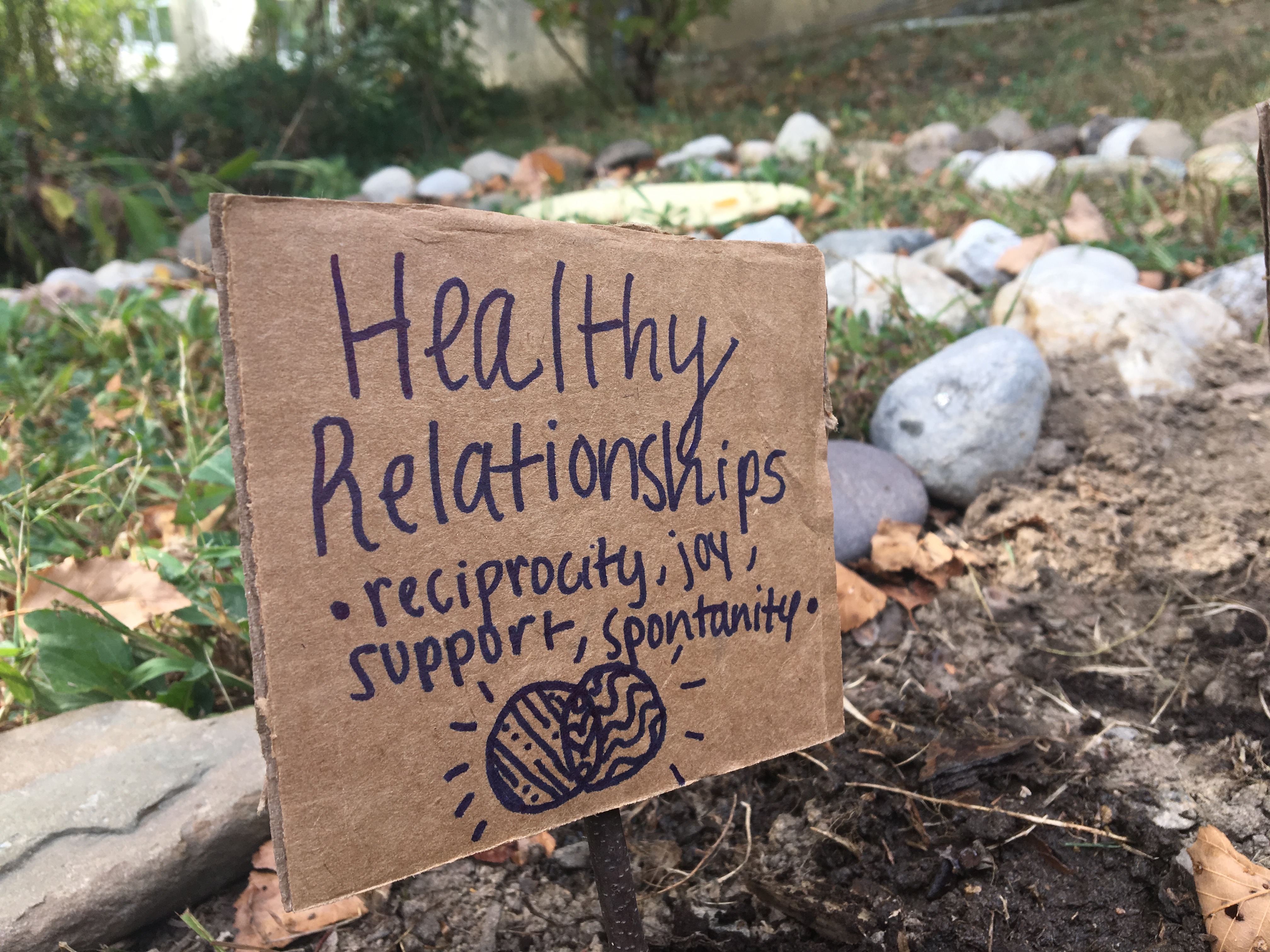
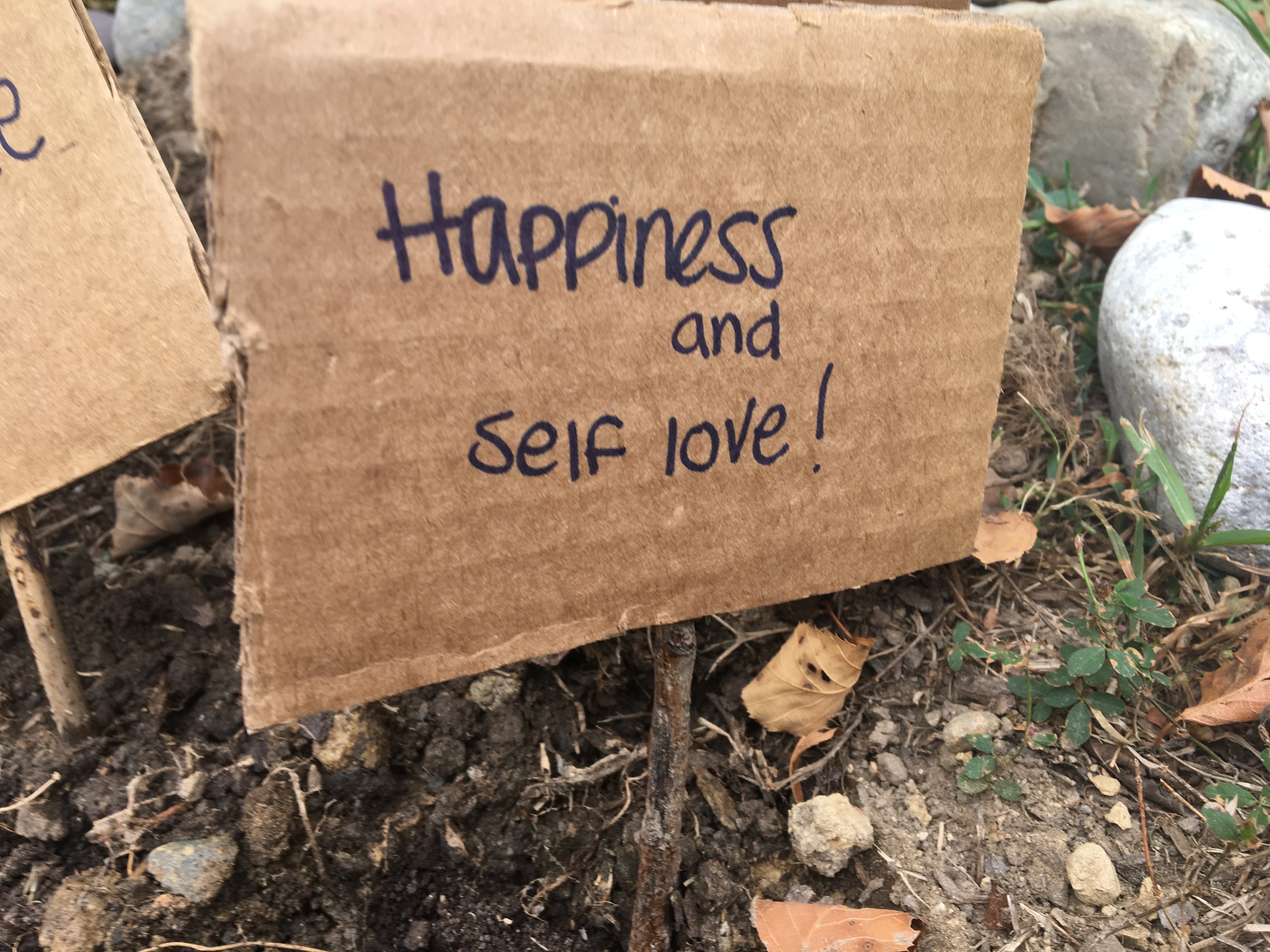
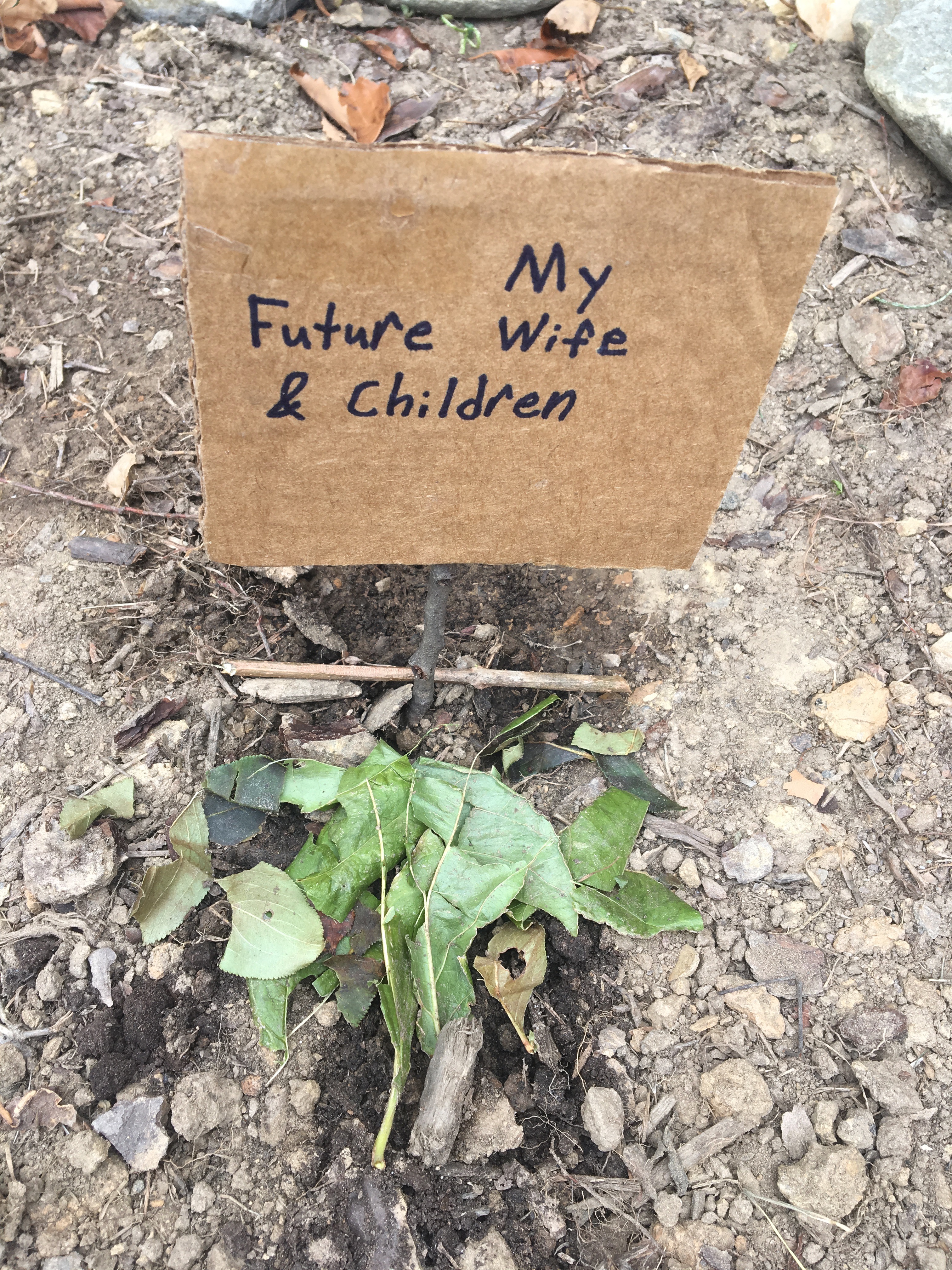
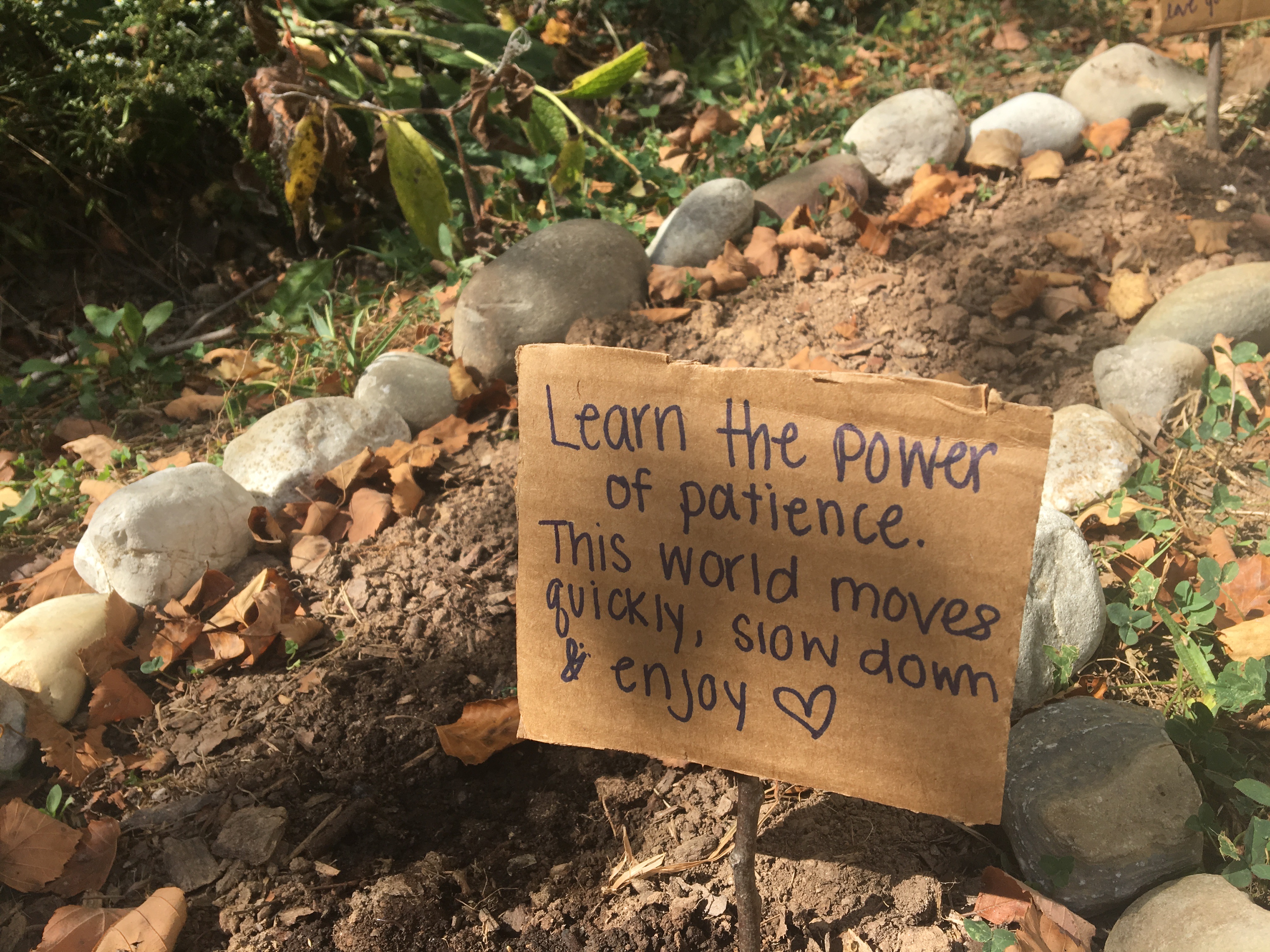
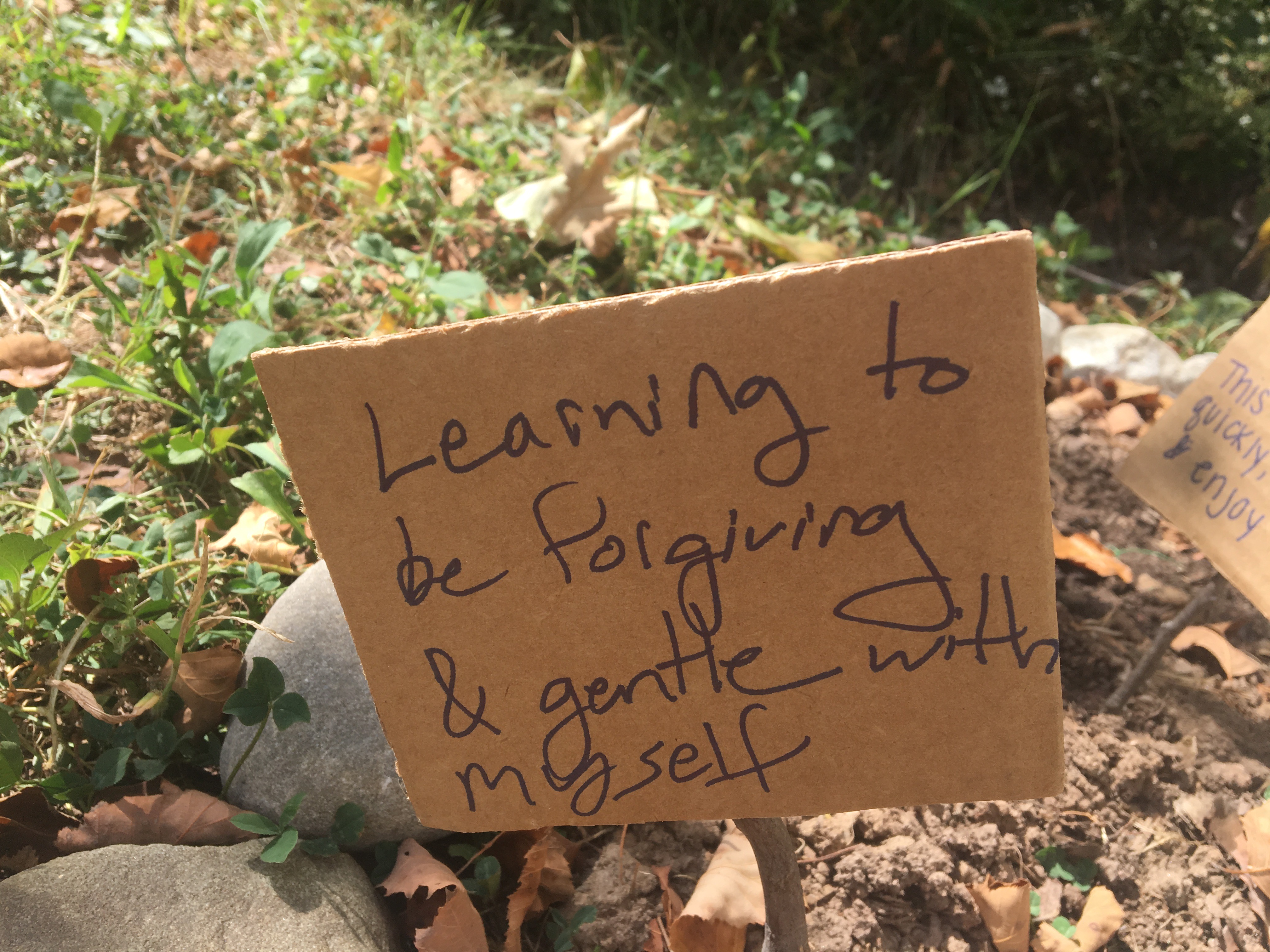
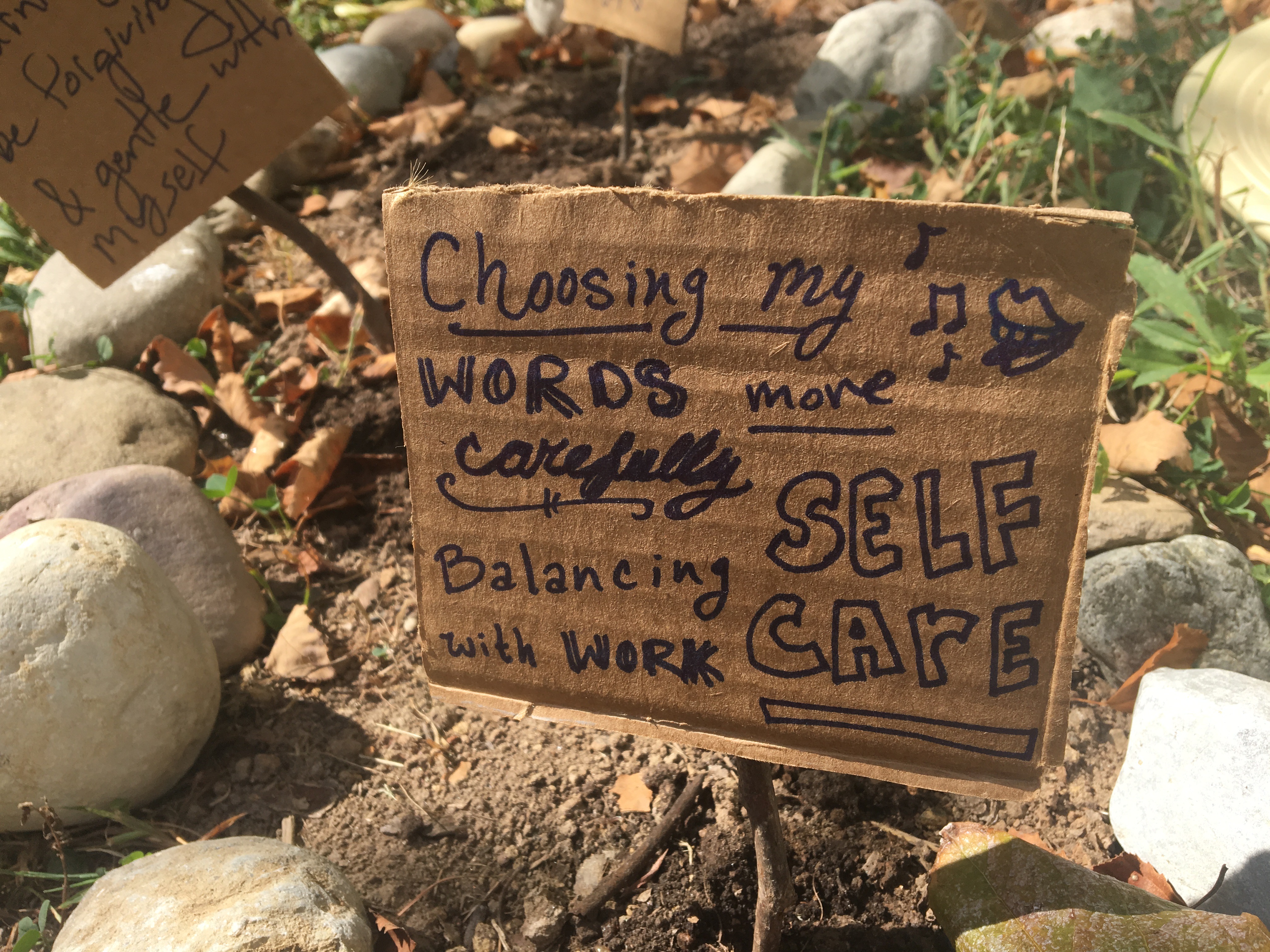
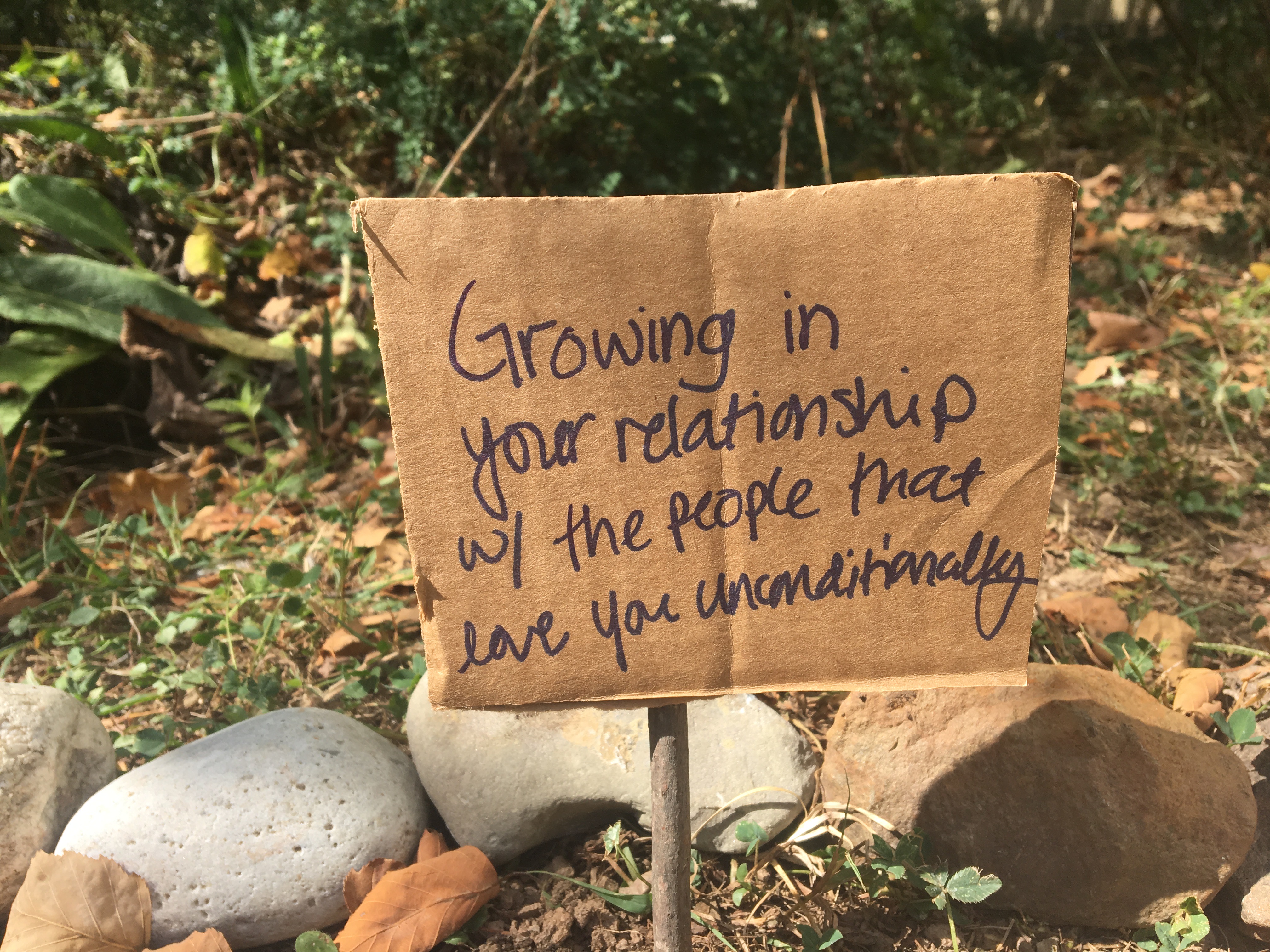
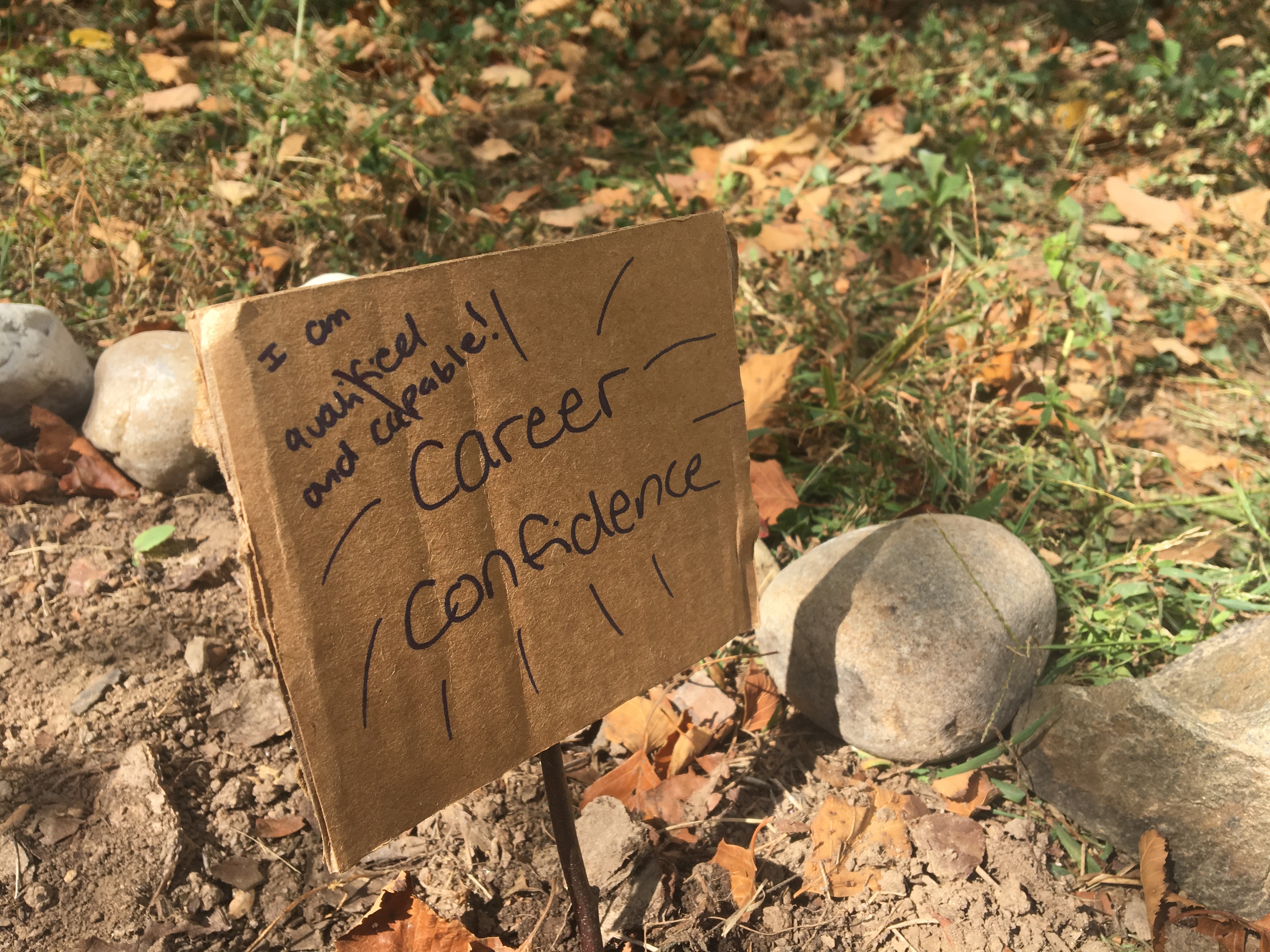
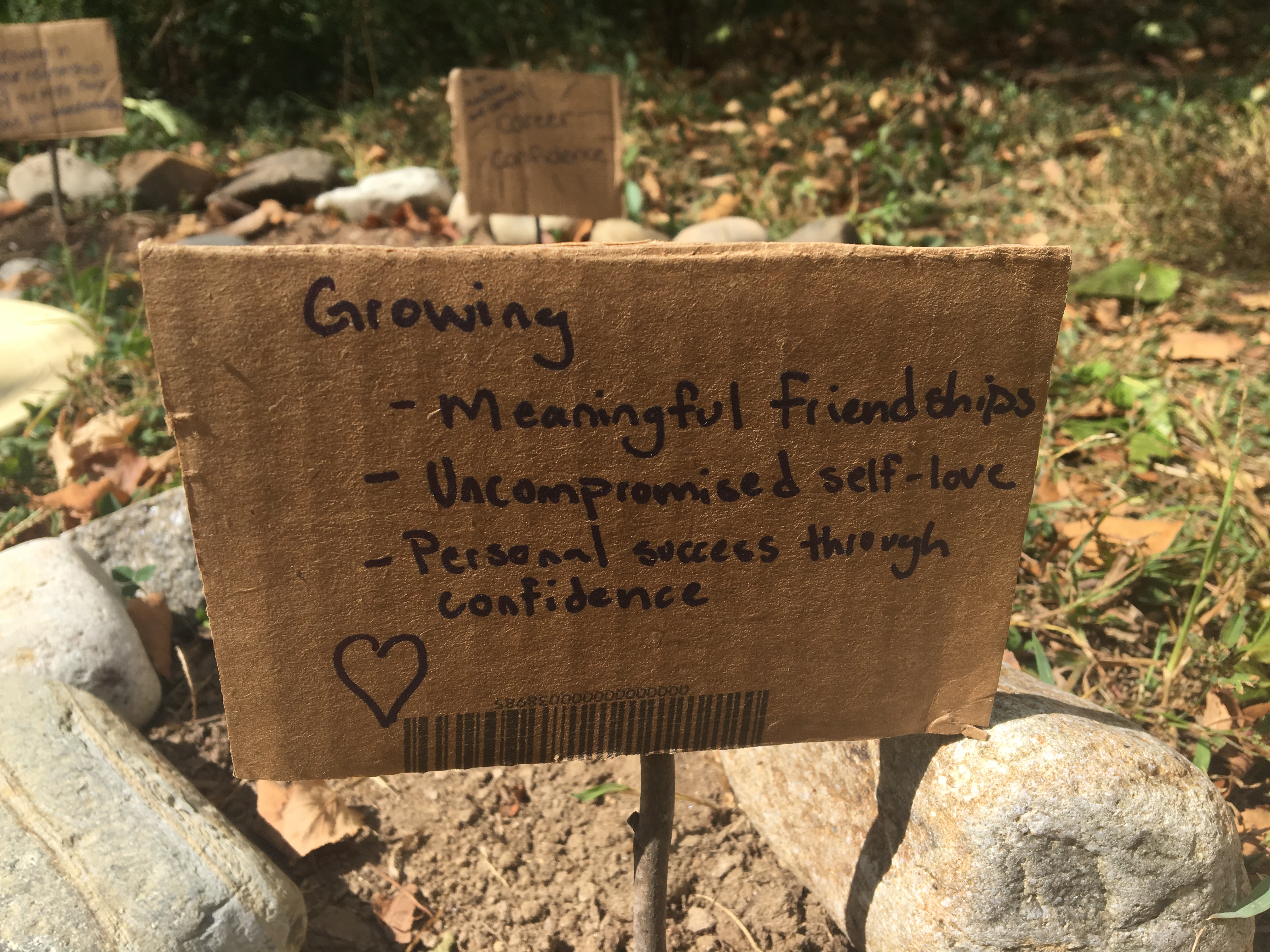
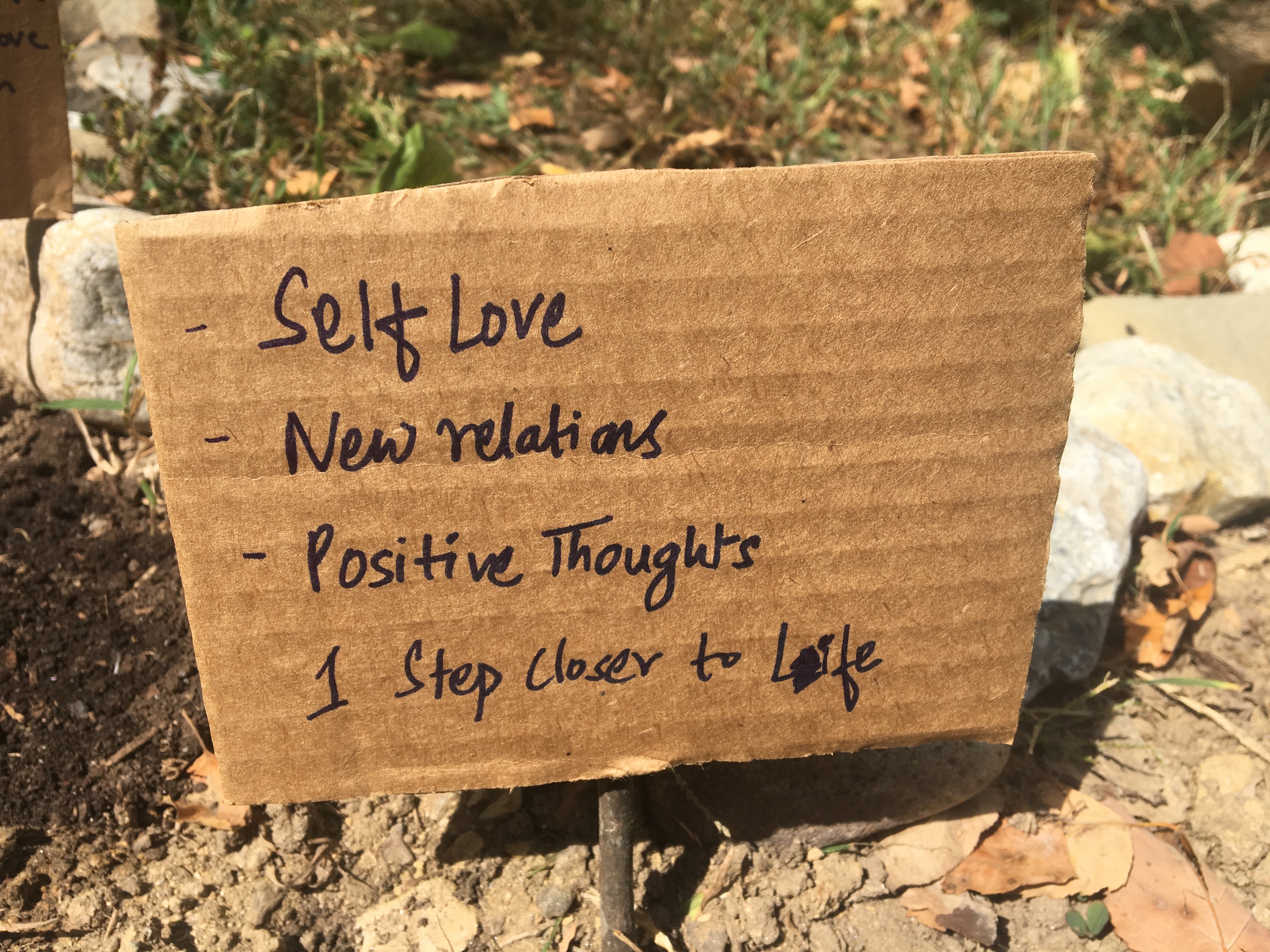
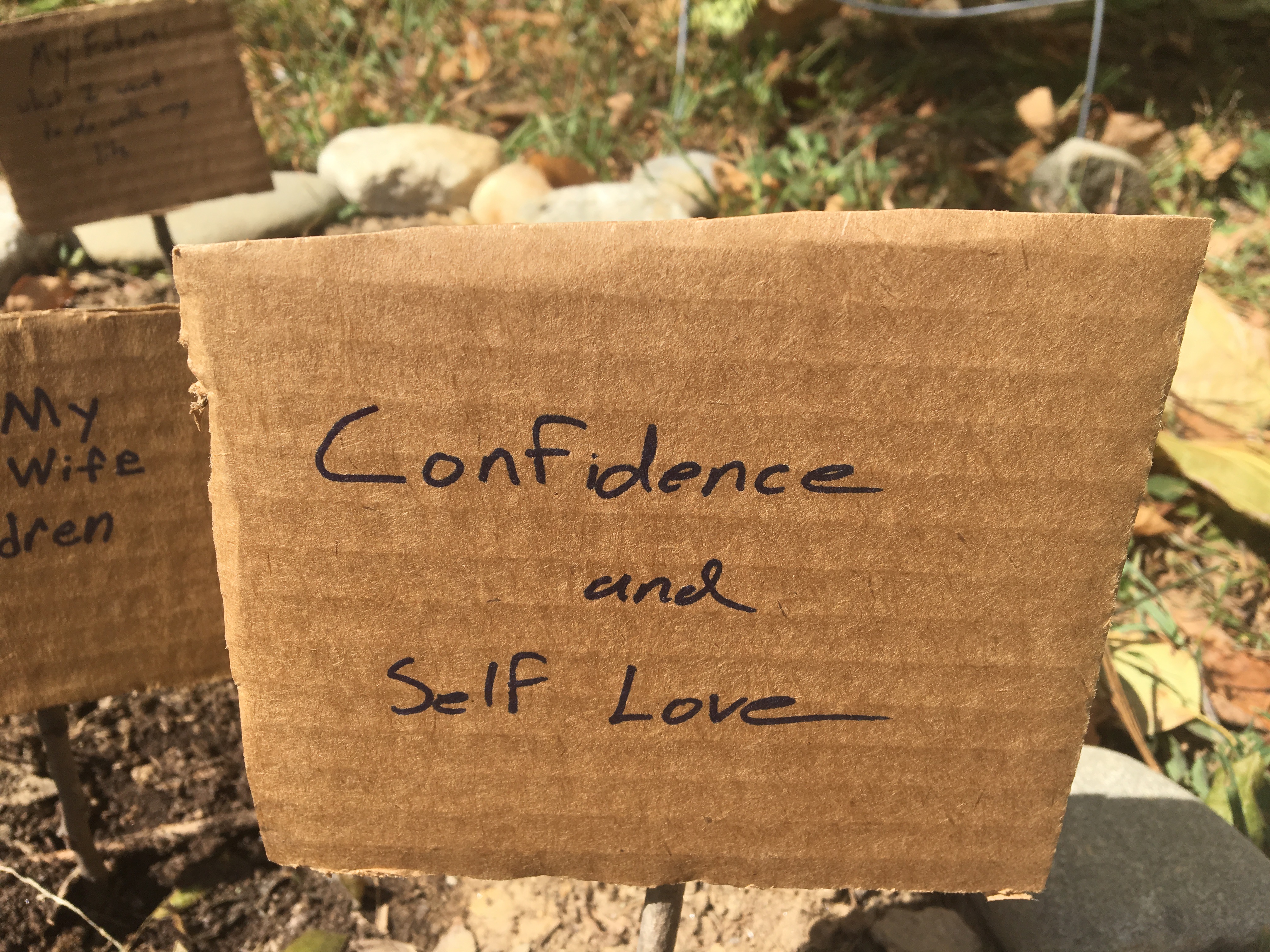
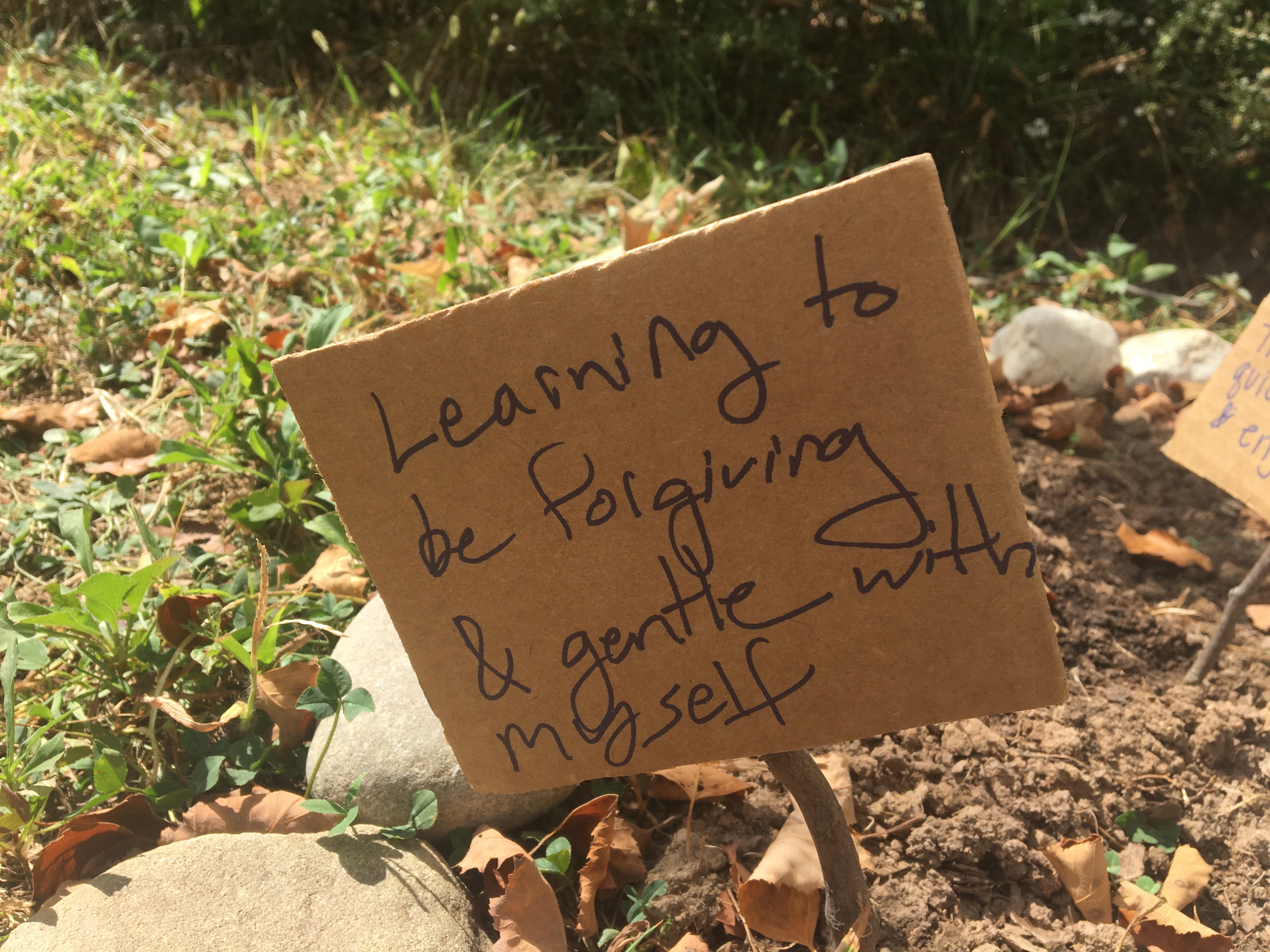
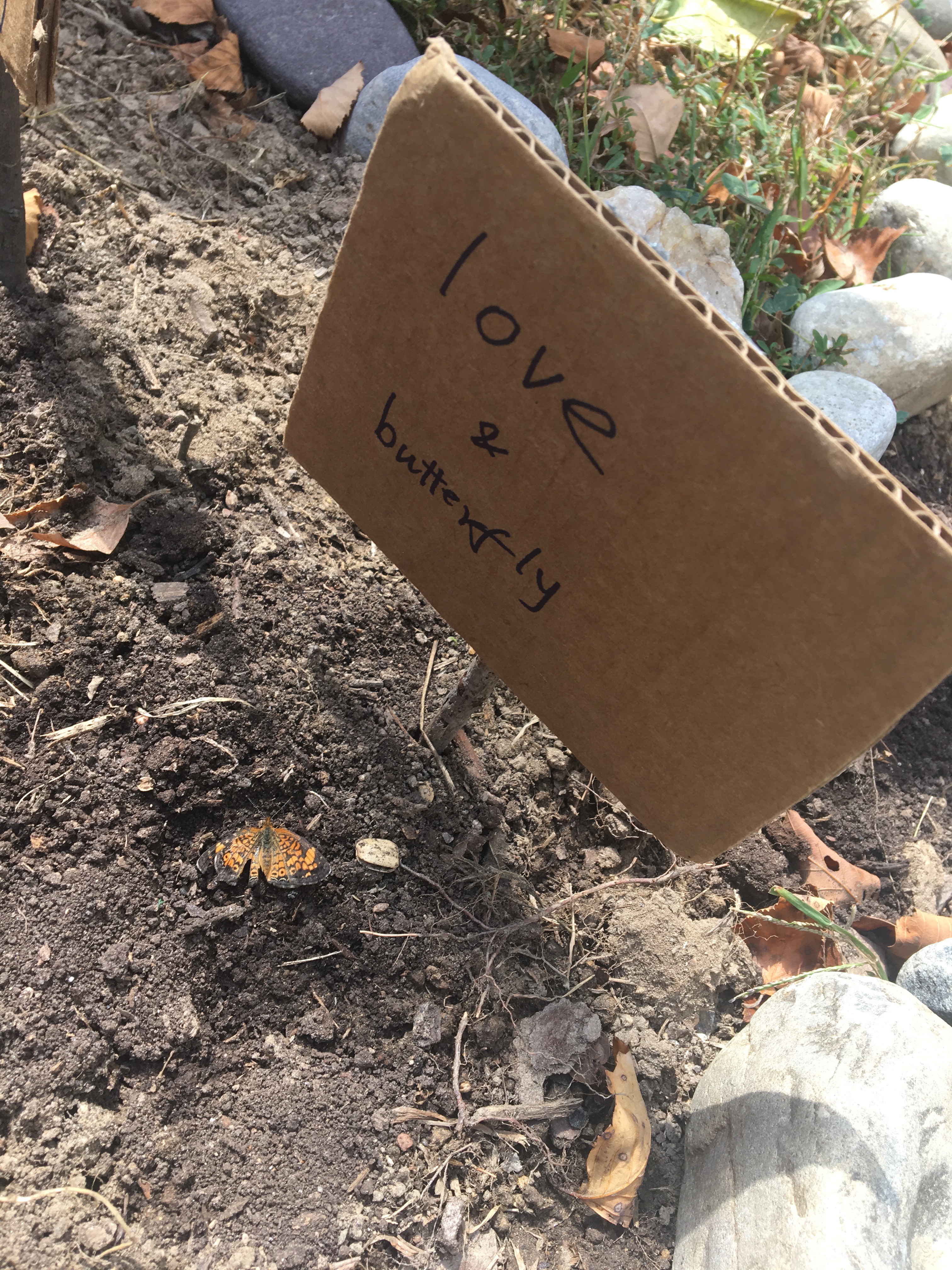
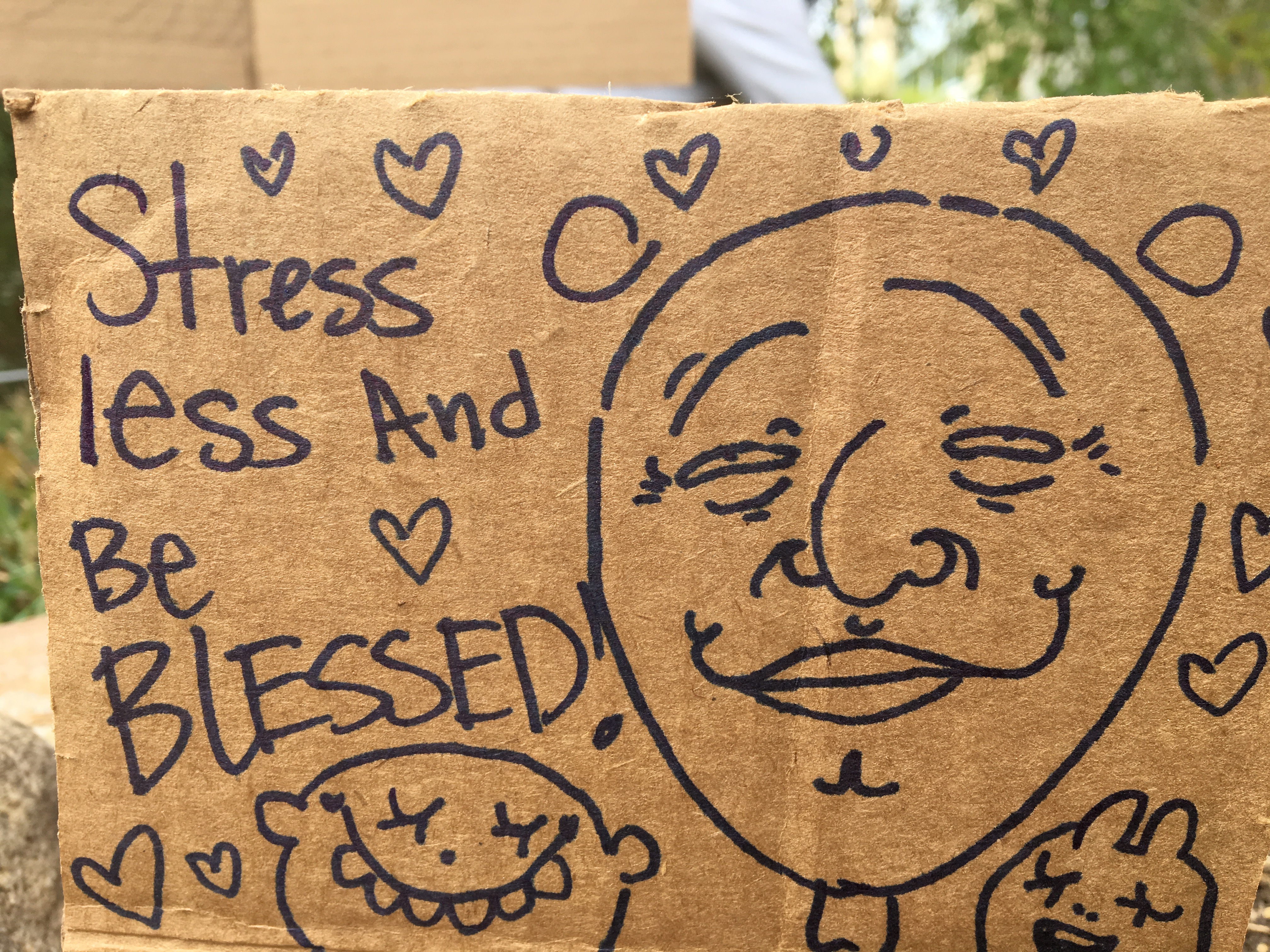
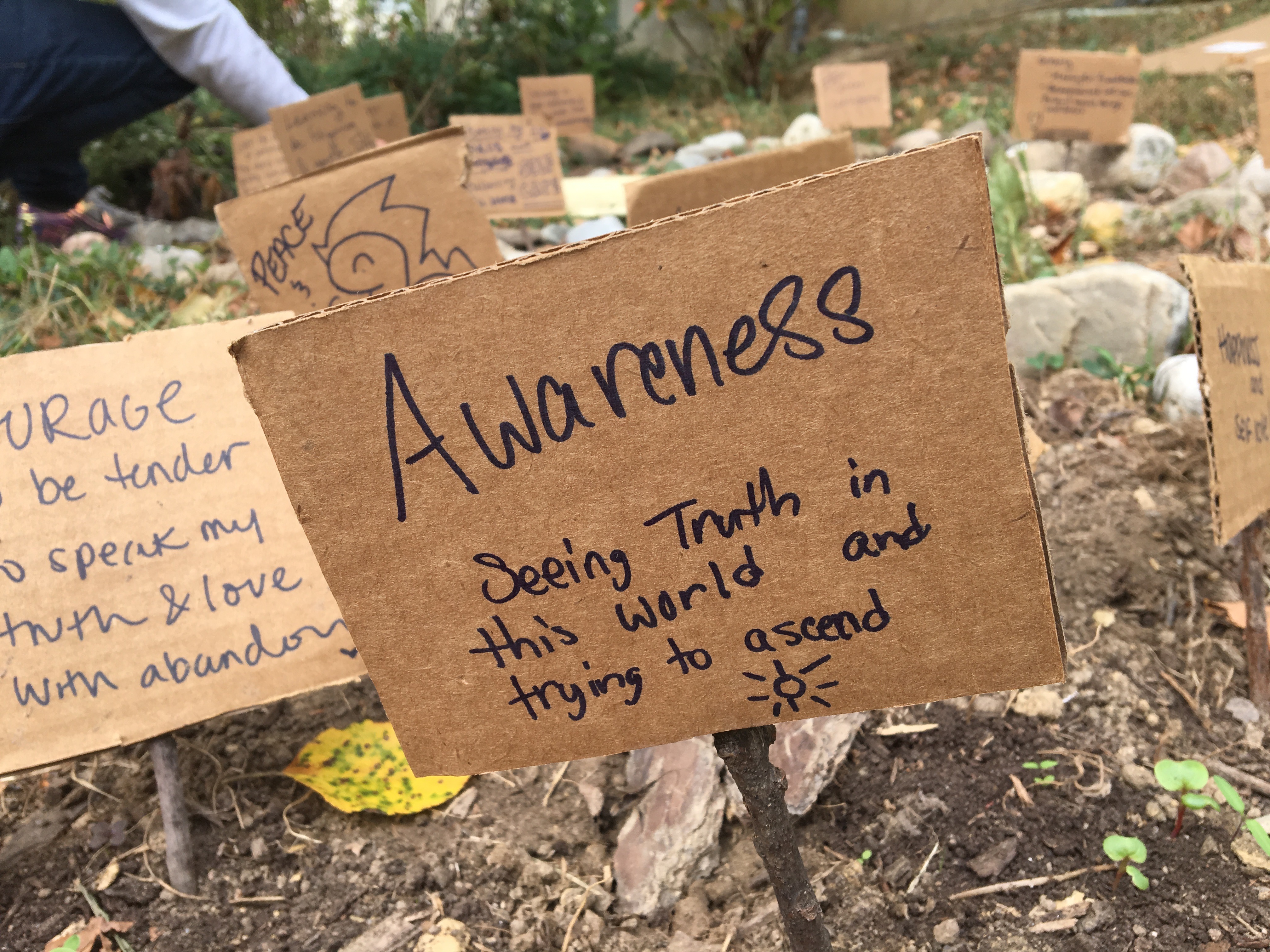
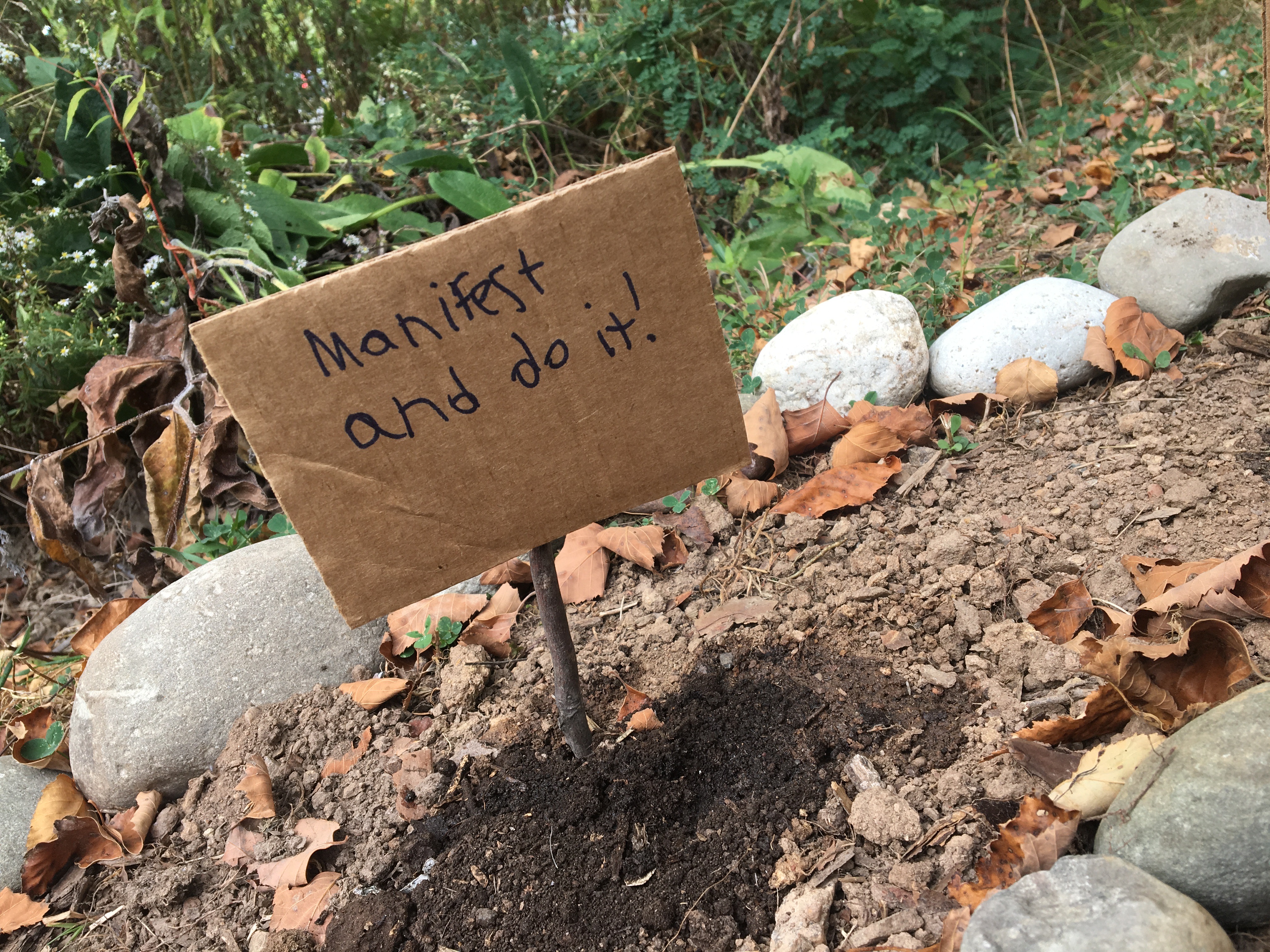
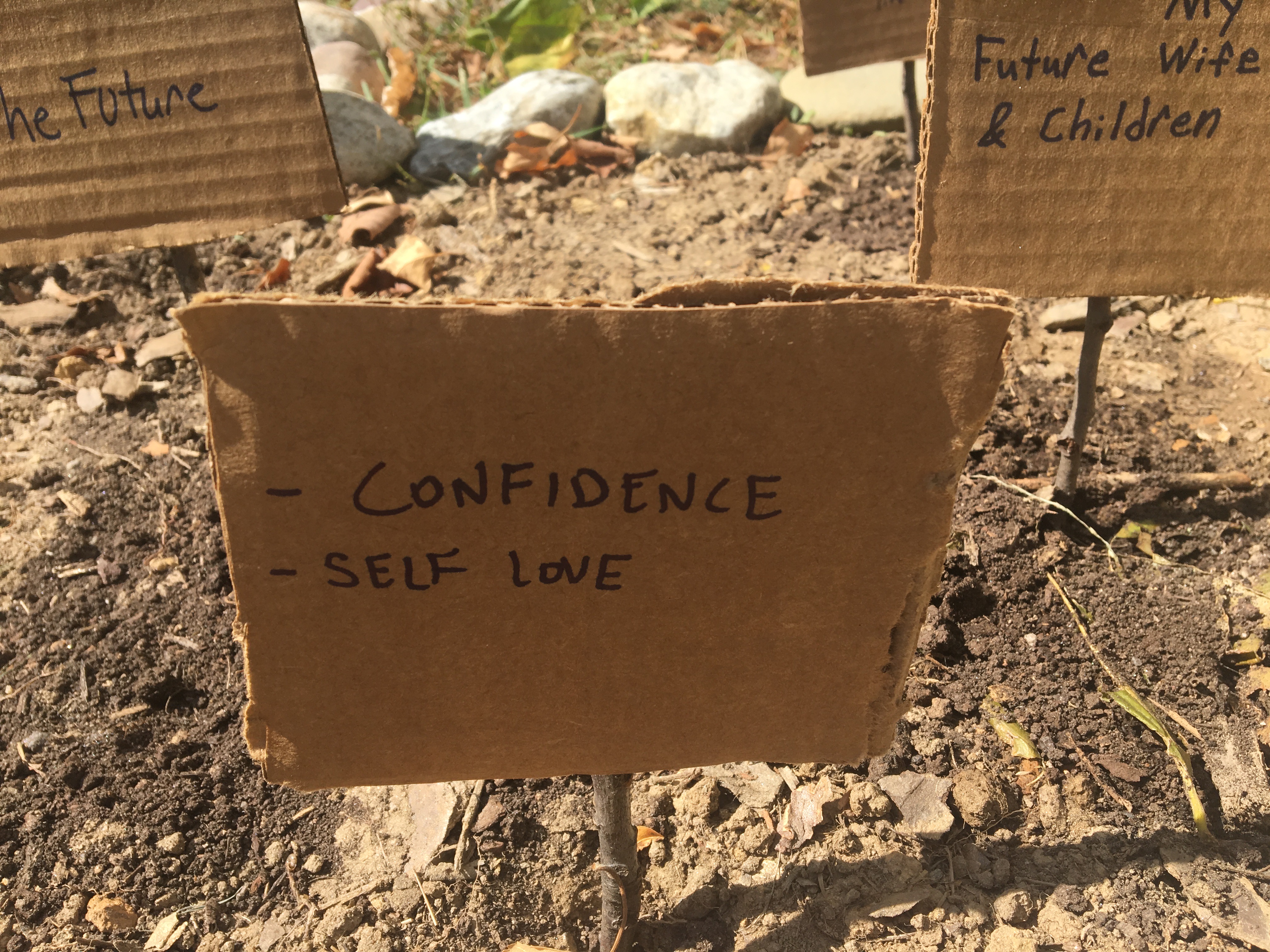
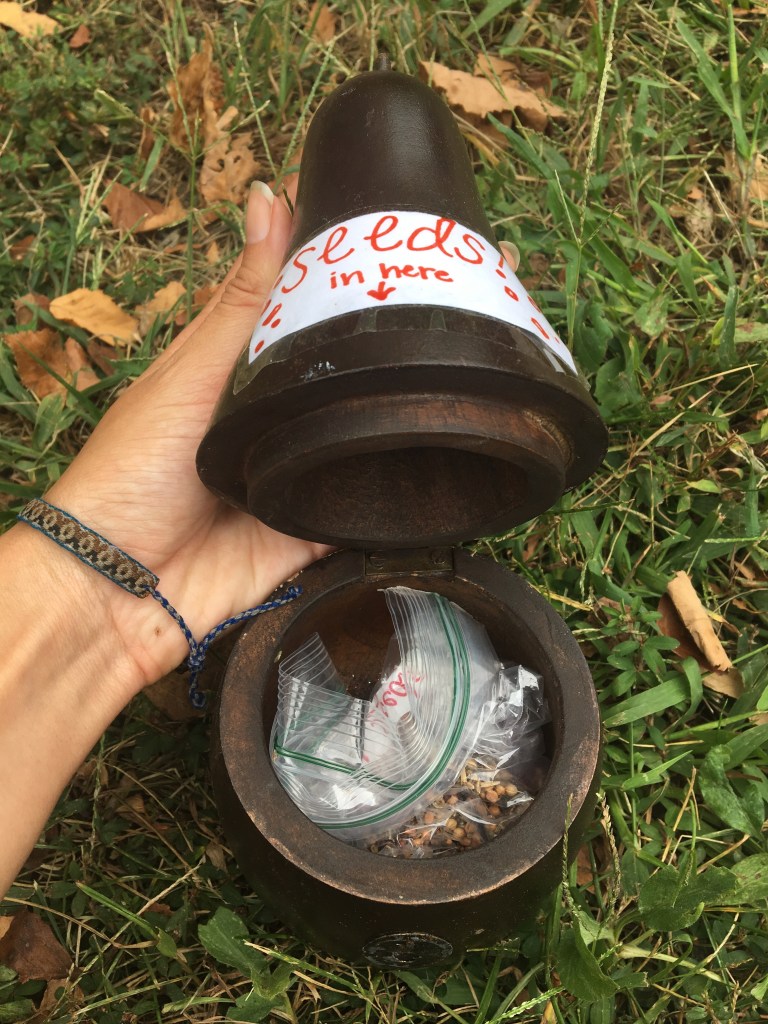
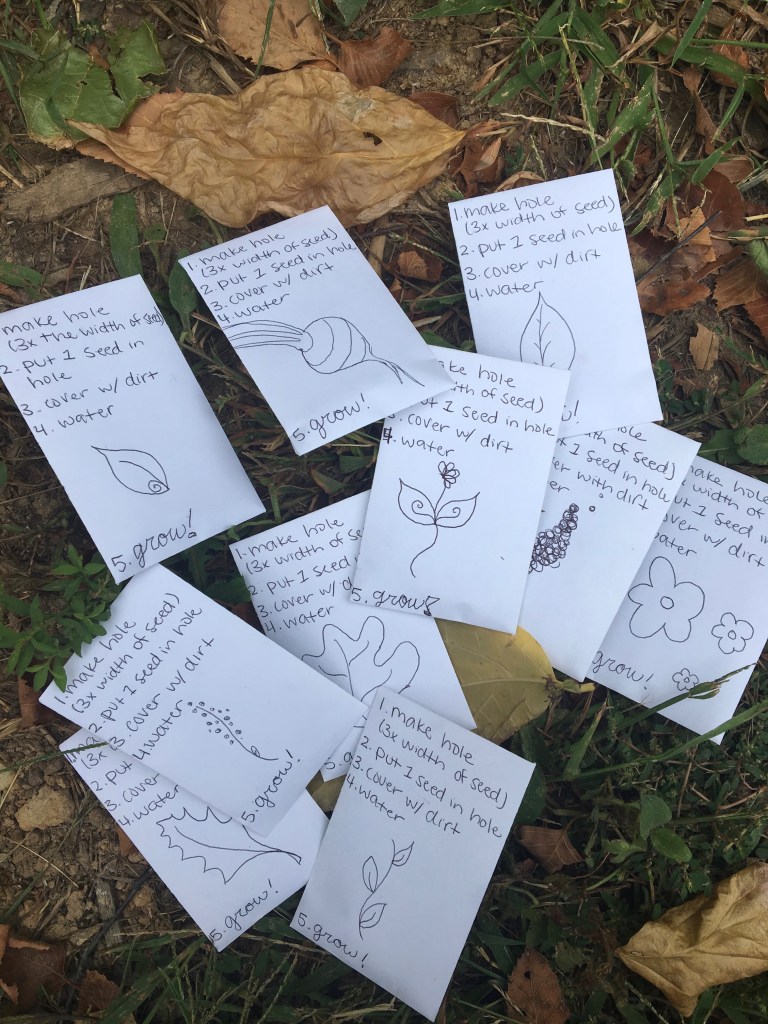
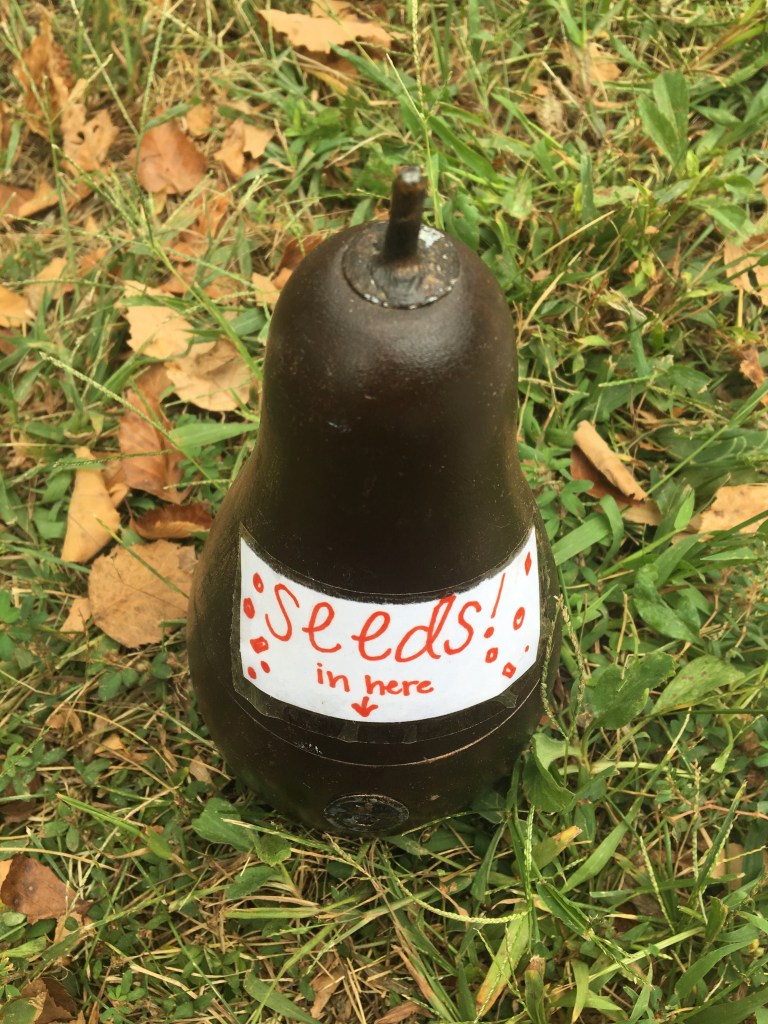
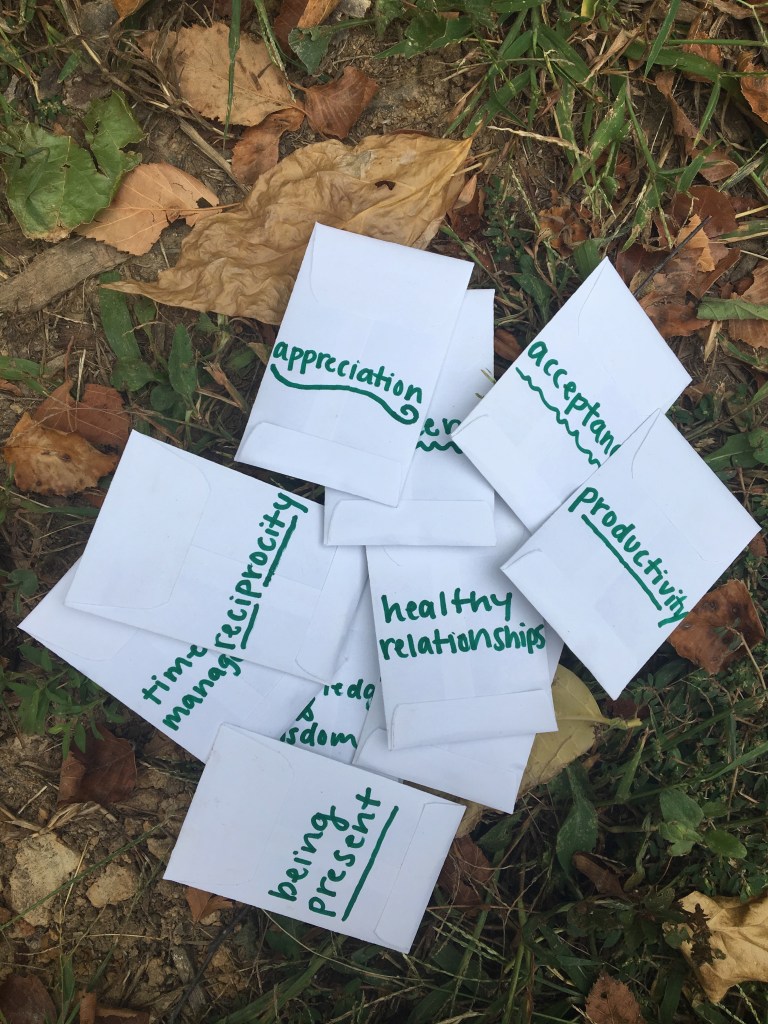
I wanted to create something that people could interact with on both an individual level and on a larger level interconnectedness with each other and this earth that we all share. With these concepts in conjunction with the growth prompt, I decided to build an interactive art installation that would reflect the growth of humans and then encourage people to extend that growth to the natural world. I selected a heavily traveled section of the green space to build this garden of inner and ecological growth so that it could be as accessible to anyone who wanted to participate. I chose plants that were frost resistant. The majority of the plants are also edible which provides another layer to the growth concpet of this project. After a hot day in the sun of constructing the garden, I then left this installation open to the public for one week. In that week, the garden exploded in representations of inner growth. It still remains to be seen if the ecological growth nurtured in the garden will come to fruition but I have faith that it will. The instructions for the participants were detailed but very open to individual interpretation. This resulted in a diverse response to the project that are reflected on the place cards in the garden. My biggest worry was that no one would participate or that those who did would not do so in good faith. These worries were unfounded. The garden was filled in a week and the responses were heartwarming, inspiring, and relatable. I think that people subconsciously crave a space to reflect and be validated/represented within their community. If you provide that space, people will be compelled to genuinely interact. This garden now funcations as a snapshot of the people within the GMU community. It captures our communitiy’s aspirations and accomplishments by using the natural world as a mirror that we can use to relfect upon the concept of growth.
Next Steps:
- Replace instructions with explanation of the garden
- Cover garden in mulch
- Water proof and secure placecards
- Water garden bed regularly
- Document and post environmental growth progress

“Inner to Ecological Garden” Participant Instructions


Procuring and Presenting the Seeds
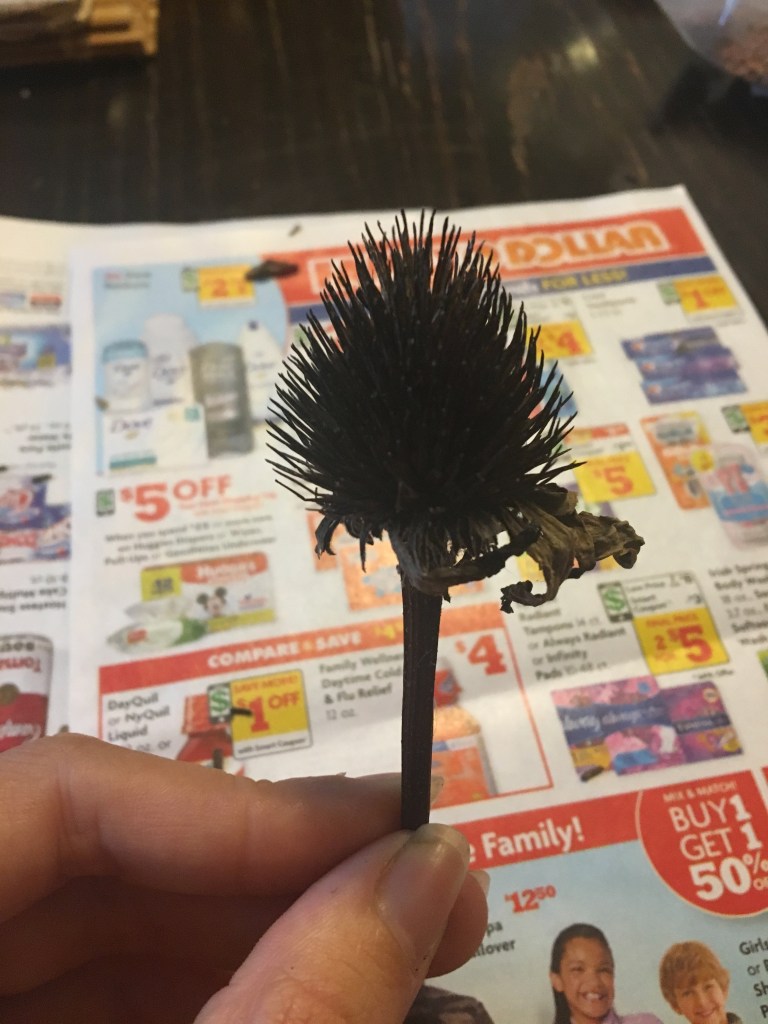
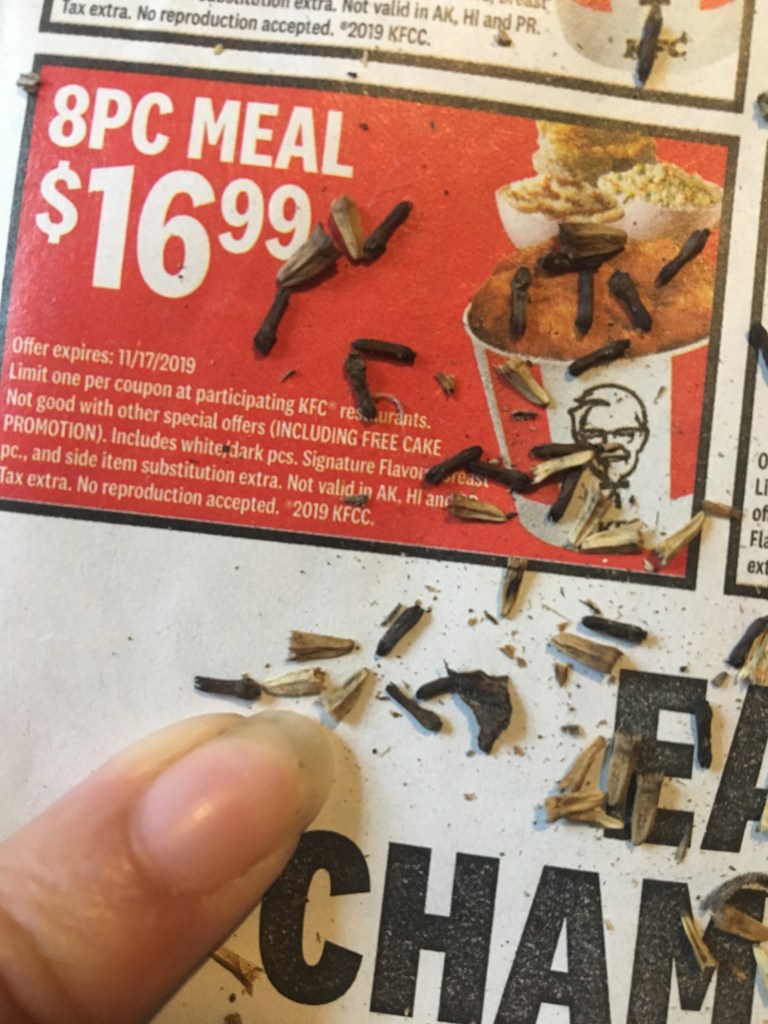
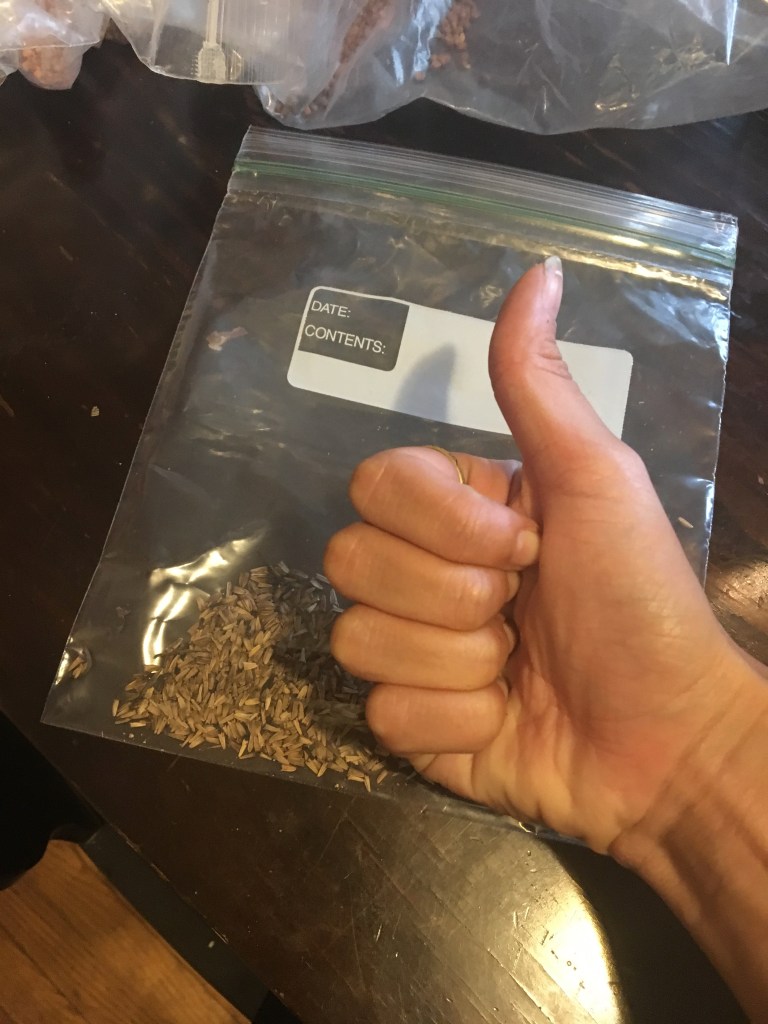
I procuring the seeds for this garden in two different ways but they both depended on my relationships with mentors. Firstly, I was getting advise on this project from Doni, the GMU Organic Garden Association director and she generously offered me the surplus seeds that were not used by the GOGA. Secondly, my Eco Art teacher, Professor Cooley brought be a bouquet of purple cone flowers that were ready to harvest the seeds from. Growing in relationships with mentors and experts can provide you with opportunities and resources that you need in order to grow in your own endeavors.
Project Proposal: Inward to Outward Growth
Issue: Lack of plant diversity in the increasingly suburbanized area of Fairfax, Virginia; specifically, native wildflowers that encourage biodiversity, increase ecological stability, and provide aesthetically pleasing scenery which can positively contribute to human’s mental well-being.
Approach: Encouraging people to spread wildflower seeds by getting them to connect their own personal growth to that of the natural world
Genre: Interactive Installation
Strategy: Getting people to plant native wildflowers in one location and supplying them with seeds for a secondary location of their choosing by providing both a physical (free seeds) and spiritual (an opportunity for introspection) incentive for these activities.
Who: GMU community members
What: Planting and spreading seeds
Where: outdoor art space at the art building and secondary location of participants choosing
When: Approval of the project – 30 days (sporadic updates on plant growth post project completion on blog; the main measurement of growth in this project will be focused on the human rather than the plant; human growth will be displayed by the placard responses)
Why: Increasing the number of wildflowers grown in the area and providing people with an opportunity to visualize their personal growth is important for the wellbeing of the environment and the humans who occupy it.
Class Assignment:
Artworks Discussion

Taste of Place
artist: Laura Parker
The taste of place interactive soil installation encourages participants to expand the use of their sense of smell in order to allow themselves to identify with the soil by connecting it with the human construction of “home”. Once they are able to identify with the soil and subsequently feeling of home, they develop a sense of nostalgia for something that they never connected to before – dirt. Linking human emotions and concepts directly to the natural world deepens the appreciation and connection that we feel towards the environment. This deepened sense of appreciation and connection can result in a more ecologically aware and passionate person.
Temescal Amity Works
This project pulled from many different artistic, agricultural, and cultural traditions from many different time periods and backgrounds in order to provide beneficial experience to participants and their community as a whole. The project used two mutualistic programs in order to provide a myriad of enriching experiences and resources for the community. The big back yard provided people with a physical why to experience the opportunity of their community through the labor of planting/tending to fruit/citrus trees. These yield from these trees then provides another kind of physical experience through nourishing the body. The reading room provides the community with knowledge about the big back yard, provides resources, and hosts events for community members. This enriches the mental and spiritual well-being of the community. This project successfully managed many aspects of growth simultaneously and resulted in a healthier and more vibrant community during its operation.
Can We Create Social Change Without Money?
artist: Nipun Mehta
Presence and reflection are vital aspects of human well-being. The act of presence can be achieved through being without judgement and experiencing without expectation. The action of reflection can be achieved through introspective thought which can take many forms. People are so motivated by money and success that these who aspects often get lost in the never ending productivity shuffle. These two aspects force us to remove ourselves from outer incentives and expectations of success. It forces us to purely be and think from a completely different perspective than we normally do. Thus, resulting in personal growth and wellbeing. These practices can be passed on from person to person and shift the dynamics of an environment (whether natural or man-made) towards positivity and altruism; getting humans closer to our need for connection and purpose.
Text Discussion
Gaia’s Garden pg. 85-86
This section speaks to the intrinsic interconnectivity of life on Earth. Just as humans are more than one thing, so is every part of the natural world. It highlights the necessity of every entity that comes into contact with the tree. I think this section is reflective to the human experience in another way as well. The tree’s existence indirectly impacts the wider ecology of the area and even the world, not solely the exact environment that it is in. Humans’ decisions and lifestyles directly and indirectly effect the world around us in ways that we do not always see or recognize. Another aspect to this section that really spoke to me was the importance of the beings that we normally consider as pests. Instead of their presence being a sign of something unwanted, they are actually a sign of things to come; they are a sign of health and growth. The final theme that stood out to me was the complexity of what we typically consider to be mundane. When we look at a tree we don’t see the internal processes of in-taking and expending energy from the soil and sun that produce the leaves, we simply see them green on the branch during the spring and summer and then brown on the ground during winter and fall. Trees are the perfect symbol of interconnectivity, complexity, and interdependence, once we can recognize these characteristics in something as mundane as a tree, maybe we can see it and embrace it within ourselves too.
Gaia’s Garden pg. 19-27
This chapter speaks to the natural design of healthy ecosystems. We as humans have spent so much money and effort to manipulating the environment around us to our aesthetic preferences that are symbols of wealth, the health of that environment is often a second thought, if that. Our aesthetic preferences neuter the cycles of the natural systems that we live within. In order to encourage people to change their gardening habits, we need to shift people’s aesthetic preferences. This is just a shift in preference, it is a shift in what we view as valuable. Sometimes the natural succession of different plant and animal species in our space can be inconvenient or an eyesore, we must realize that this is part of the process and unlike the economy, the invisible hand of ecology will regulate and stabilize itself. The more we control and manipulate with the natural world to fit our preferences, the more unhealthy our environment becomes. Instead of valuing a green manicured lawn as a measure of success, we must view ecologically diverse gardens as a measure of health and wellbeing; not only for ourselves, but for the natural world around us.
Guerrilla Gardeners’ Spread Seeds of Social Change
This piece embraces the radical nature of environmentalism and conservation. It simultaneously saddens and excites me that such extreme tactics must be used so that we can live in a place with ecological worth. The juxposition of “seed” and “bomb” as a tactic speaks to the nature of change. Sometimes, destruction brings creation. Just as wild fires burn so that a new and heather forest can grow. The connection between street and gorilla gardeners is profound. They are both an act of societal resistance and reclamation of space. Graffiti artist use the buildings as their canvas. Through this act, they re-establish their place within their community that they may have been disenfranchised in through creative expression. Guerilla gardeners use plants as their paint and in the case of this article, they literally use moss. Instead of creative expression, they provide creative use of space. These radical and sometimes illegal tactics are the only way that these people and express themselves and reclaim space within their community that has been kept from them in the past. These acts provide what the community wants and needs rather than serving the wishes of those with influence and interest in the property instead of the people.

